Why Your Gut Hates Certain Foods (and What to Do About It)
June 3, 2026
Why Your Gut Hates Certain Foods (and What to Do About It)
The Diet That Quieted My Stomach for Good

Dr. Rodger Murphree
June 03, 2026

In partnership with

Finding the right diet is rarely a straight line. What settles one person's stomach sets off another's. But for the millions of people living with irritable bowel syndrome, one approach has earned something rare in the diet world: broad agreement among experts that it actually works. That approach is the low-FODMAP diet.
What IBS Really Looks Like

Irritable bowel syndrome is common, frustrating, and hard to pin down. It has no single known cause and no cure, and it tends to come in waves. You might suffer through a brutal week of symptoms, then feel fine for a month before it returns.
It's also widespread. About one in nine people worldwide live with IBS, though the numbers swing from around 7 percent in some places to over 20 percent in others. Doctors have tied it to a handful of risk factors, including smoking, alcohol, ongoing stress, hormone changes, and a poor diet.
The symptoms are familiar to anyone who's dealt with them: belly pain, cramping, bloating, gas, and bowel movements that swing between constipation and diarrhea. They're not dangerous, but they can quietly wreck your quality of life.
What FODMAP Actually Means

FODMAP is an awkward word for a simple idea. It's a group of carbohydrates that share one inconvenient trait: your body has a hard time absorbing them. Instead of breaking down, they travel mostly intact into the colon, where gut bacteria feed on them.
That feeding process is the problem. It creates gas that stretches the intestines, causing the bloating, cramping, and pain that IBS sufferers know too well. These carbs also pull water into the gut, which can tip things toward diarrhea. In short, for sensitive people, they throw normal digestion off balance.
They hide in a lot of everyday foods:
Grains and beans: wheat, lentils, chickpeas
Dairy: milk, soft cheese, yogurt, and other lactose-heavy foods
Garlic and onions: two of the most common triggers
Certain fruits: figs, mangoes, blackberries, lychee
Sweeteners: honey, agave, and many sugar-free sweeteners
The low-FODMAP diet works by pulling these foods out for a while, then slowly adding them back to learn which ones you can handle.
The Evidence Behind It

This isn't a fad with a good story and no proof. A large 2015 review pooled results from more than 30 studies covering thousands of people, and found that a low-FODMAP diet clearly reduces IBS symptoms. Some estimates suggest it helps up to three out of four people who try it.
There's one catch worth knowing upfront. That same research found constipation improved the least — and that makes sense, because cutting these foods can also cut fiber. The fix is simple: follow the diet while making a point to keep your fiber high. Done right, you get the relief without the backup.
What to Expect

Most people who respond notice changes fairly quickly: less gas, fewer bloated days, calmer and more regular bathroom trips, and a real drop in pain and cramping. There's often a quieter benefit too. When your gut stops staging a daily revolt, the stress and worry that come with it tend to ease as well.
A few honest expectations. The strict phase isn't meant to last forever — it's a test, not a permanent diet. The goal is to spot your personal trigger foods, then eat as freely as your body allows. And like any worthwhile change, it works best alongside the basics: regular movement, thoughtful meals, and a little patience with the trial and error.
The Takeaway
The low-FODMAP diet stands out because experts largely agree on it, which is more than you can say for most eating plans. If chronic bloating, gas, or unpredictable digestion has been running your life, it's one of the few diet changes with strong evidence and a real track record behind it.
To support digestion while you sort out your triggers, eating well and taking a digestive enzyme with meals can help. Essential Therapeutics Digestive Enzymes are available in the shop.
Let's Connect
Consultations & Programs: fibroconsults.com
More about my work: superhealthyhuman.com
Weight Loss Program: totransformhealth.com
For more free resources, visit yourfibrodocor.com.
Brought to you by or sponsored by Essential Therapeutics and essentialtherastore.com, physician formulated, pharmaceutical grade, clinically proven supplements for optimal cellular health.

Note: This newsletter is for education. Do not change or stop any medication without speaking with your doctor.
Why This Collagen Works Faster Than the Rest 🧜♀️✨
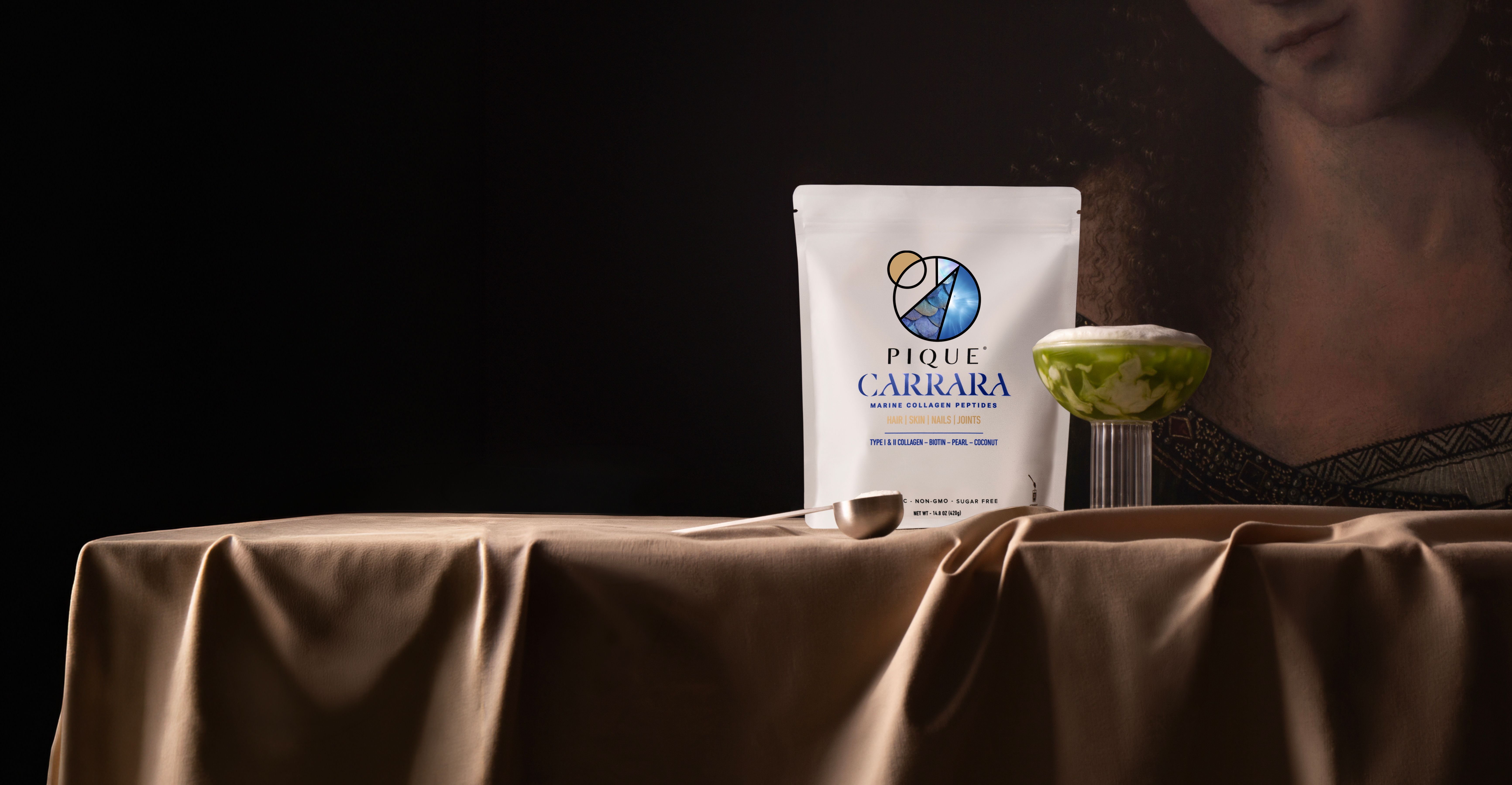
For decades, beauty has focused on quick fixes: what you put on your skin. But the most radiant glow, strongest hair, and healthiest aging begin from within.
Introducing Pique's Carrara Marine Collagen, a true breakthrough in beauty. This first-of-its-kind formula combines Type I marine collagen for visible radiance with rare Type II collagen from wild Hokkaido salmon to support deeper structural resilience. Enhanced with biotin and micronized pearl powder, Carrara helps promote smoother, more luminous skin, stronger hair and nails, and whole-body vitality.
Designed for superior absorption, you'll see results faster than with traditional collagen. Its rich coconut cream base transforms your daily routine into something indulgent. More ritual than supplement, it elevates even your morning coffee or matcha.
This is collagen, completely reimagined. Not just glow but structure. Not just results but longevity. A new foundation for beauty, built from within. 🧜♀️✨