What Your Gut Is Trying to Tell You
June 24, 2026
What Your Gut Is Trying to Tell You
Bloating, gas, constipation, or diarrhea? Dr. Murphree explains what your digestion is telling you, what healthy looks like, and simple ways to feel better.

Dr. Rodger Murphree
June 24, 2026

In partnership with

Nobody loves talking about it, but your bathroom habits are one of the clearest windows into your health. If you deal with bloating, gas, constipation, loose stools, or that all-too-familiar "off" feeling after meals, your body is sending you signals worth paying attention to. I want to help you read them, because once you understand what's normal and what's not, the fixes are often simpler than you'd think.
You've heard the saying "you are what you eat." I'd change one word: you are what you absorb. You can eat the cleanest diet in the world, but if your digestion isn't breaking food down and pulling the nutrients out, you won't get the benefit. For a lot of my patients, that absorption gap is the hidden driver behind fatigue, brain fog, low mood, poor sleep, and chronic pain.
A Quick Read on What's Normal
Doctors actually have a chart for this, called the Bristol Stool Scale, developed at a hospital in England. It sorts stool into seven types, from hard little lumps on one end to pure liquid on the other. You don't need to memorize it, just the sweet spot in the middle.
If yours looks like a smooth, soft, sausage shape (Type 3 or 4), that's the goal. It means you're getting enough water and fiber and things are working as they should. Hard, lumpy, hard-to-pass stools (Types 1 and 2) point to constipation. Soft blobs, mushy piles, or fully liquid stools (Types 5 through 7) point toward diarrhea.
As for how often, there's a wider "normal" range than most people expect. Anywhere from three times a day to three times a week can be healthy, as long as it's consistent for you. What matters more than the exact number is the pattern. When your routine suddenly has no rhythm at all, that can be a sign something underneath needs attention.
When Constipation Is the Problem
Short-term constipation usually isn't a worry. It happens to everyone. But when it drags on for weeks or months, it's worth getting checked out. Common culprits include too little movement during the day, a diet short on key nutrients, poor absorption, an underactive thyroid, certain medications, or simply not drinking enough plain water. That last one catches a lot of people. Coffee and soda don't count the way water does.
When It's Diarrhea
On the other end, loose or watery stools often come down to one of two things. A simple lack of fiber can leave too much water in the mix, since fiber is what soaks it up. The more stubborn version is inflammatory, where your gut is reacting to something. That "something" can be food poisoning, a food allergy, stress, anxiety, nutritional gaps, an infection, or in some cases an inflammatory bowel condition. The trigger matters, which is why persistent diarrhea deserves a real look rather than a quick patch.
What Color and Smell Are Telling You
Two quick signals worth knowing.
On color, a healthy dark brown is what you want. A few shades are usually just food, like green from leafy vegetables or orange from carrots. But a few are worth flagging to your doctor: black and tar-like (which can mean bleeding higher up), pale white or grey (which can point to a gallbladder, liver, or pancreas issue), or red that isn't explained by something red you ate. Yellow, greasy stools that are hard to flush often mean fat isn't being absorbed, usually from a shortage of the right enzymes.
On smell, let's be honest, it's never going to be pleasant. That's normal. But truly foul, beyond-the-usual odor can signal an infection, a yeast or bacterial overgrowth, or an underlying condition like celiac disease.
The Real Issue Underneath: Absorption
Here's what I find most people overlook. Good digestion isn't just about what goes in, it's about whether your body can actually break it down and use it. Your stomach acid, your pancreatic enzymes, and your gut lining all have to do their jobs in sequence. When one link weakens, the whole chain suffers.
One of the most common weak links is stomach acid, and not in the way you'd expect. As we age, we tend to produce less of it, not more. That less-acidic environment can quietly drive symptoms like burning, soreness, indigestion, gassiness, and fatigue. Roughly 80% of people with low stomach acid report symptoms like soreness and burning, the very things people often assume mean too much acid.
Your pancreas matters too. It releases enzymes that break down protein and also help calm inflammation. If you're not eating enough protein, or you're not breaking it down well, you can run short on the amino acids those enzymes depend on. Food allergies and intolerances add another wrinkle, throwing off the acid balance further down the line and letting protein pass through undigested.
Why Enzymes Can Help
This is where digestive enzymes earn their keep. They give your body a hand breaking food down so the nutrients actually make it into your bloodstream instead of passing through. If your digestion is already balanced, your body simply adjusts and you're no worse for it. But if there's an imbalance, and for many of my patients there is, enzymes with each meal can bring real, noticeable relief from bloating, gas, stomach pain, and irregularity.
I generally suggest taking a digestive enzyme with meals alongside a genuinely healthy diet. Think of it as making sure the good food you're eating actually pays off.
The Bottom Line
Your gut talks to you every day. Smooth and regular is the goal, and small, steady changes get you there. Drink more plain water. Get enough fiber and quality protein. Move your body. And if symptoms stick around, support your digestion with enzymes and don't hesitate to get checked out. The point isn't to obsess over every detail in the toilet bowl. It's to notice when something's off and respond before it turns into a bigger problem.
Consultations & Programs: fibroconsults.com
More about my work: superhealthyhuman.com
For more free resources, visit yourfibrodoctor.com.
Brought to you by or sponsored by Essential Therapeutics and essentialtherastore.com, physician formulated, pharmaceutical grade, clinically proven supplements for optimal cellular health.

Note: This newsletter is for education. Do not change or stop any medication without speaking with your doctor.
Why This Collagen Works Faster Than the Rest 🧜♀️✨
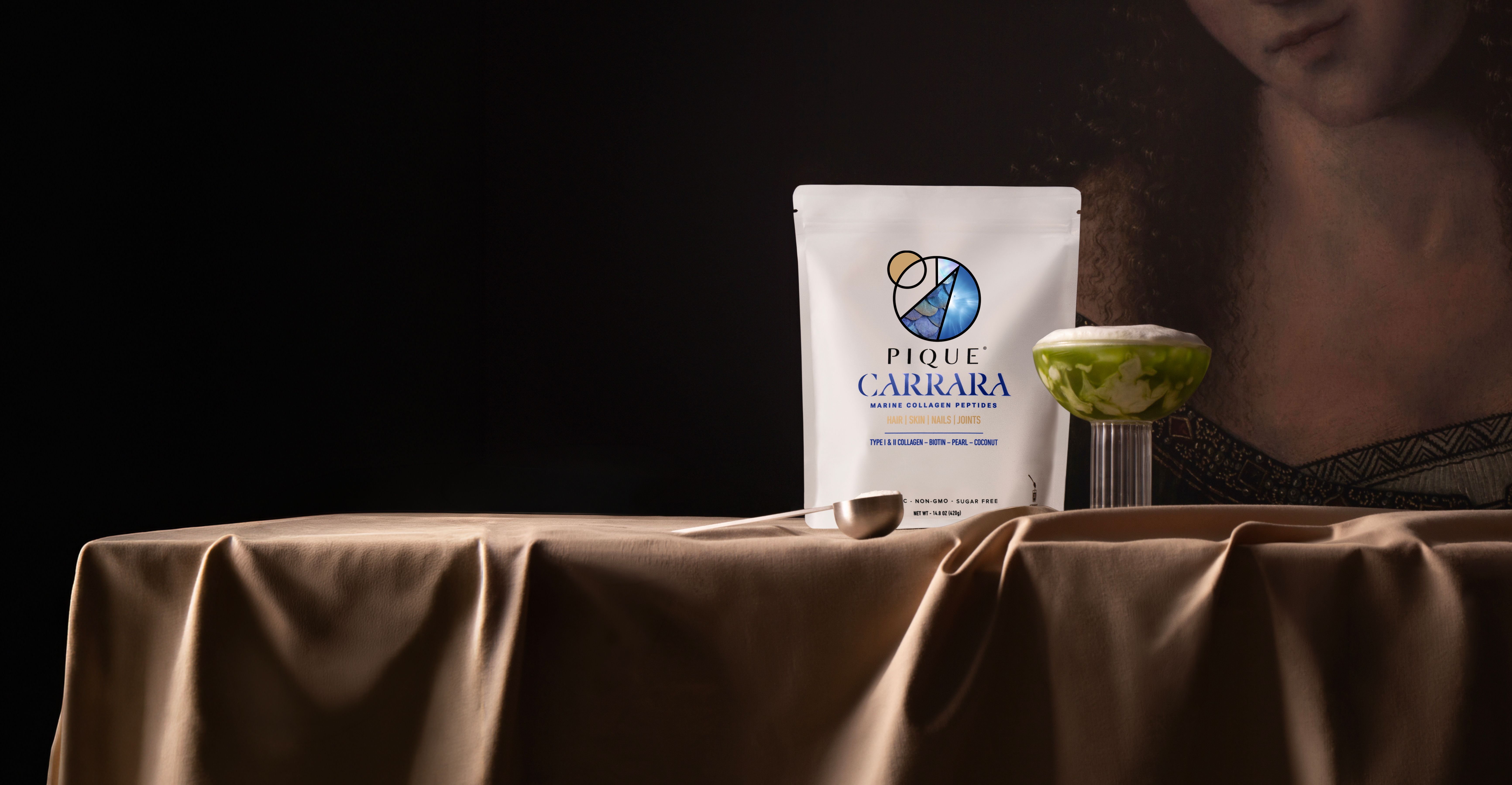
For decades, beauty has focused on quick fixes: what you put on your skin. But the most radiant glow, strongest hair, and healthiest aging begin from within.
Introducing Pique's Carrara Marine Collagen, a true breakthrough in beauty. This first-of-its-kind formula combines Type I marine collagen for visible radiance with rare Type II collagen from wild Hokkaido salmon to support deeper structural resilience. Enhanced with biotin and micronized pearl powder, Carrara helps promote smoother, more luminous skin, stronger hair and nails, and whole-body vitality.
Designed for superior absorption, you'll see results faster than with traditional collagen. Its rich coconut cream base transforms your daily routine into something indulgent. More ritual than supplement, it elevates even your morning coffee or matcha.
This is collagen, completely reimagined. Not just glow but structure. Not just results but longevity. A new foundation for beauty, built from within. 🧜♀️✨