 | What Your Doctor May Not Tell You About Your Heart And Cholesterol |
|
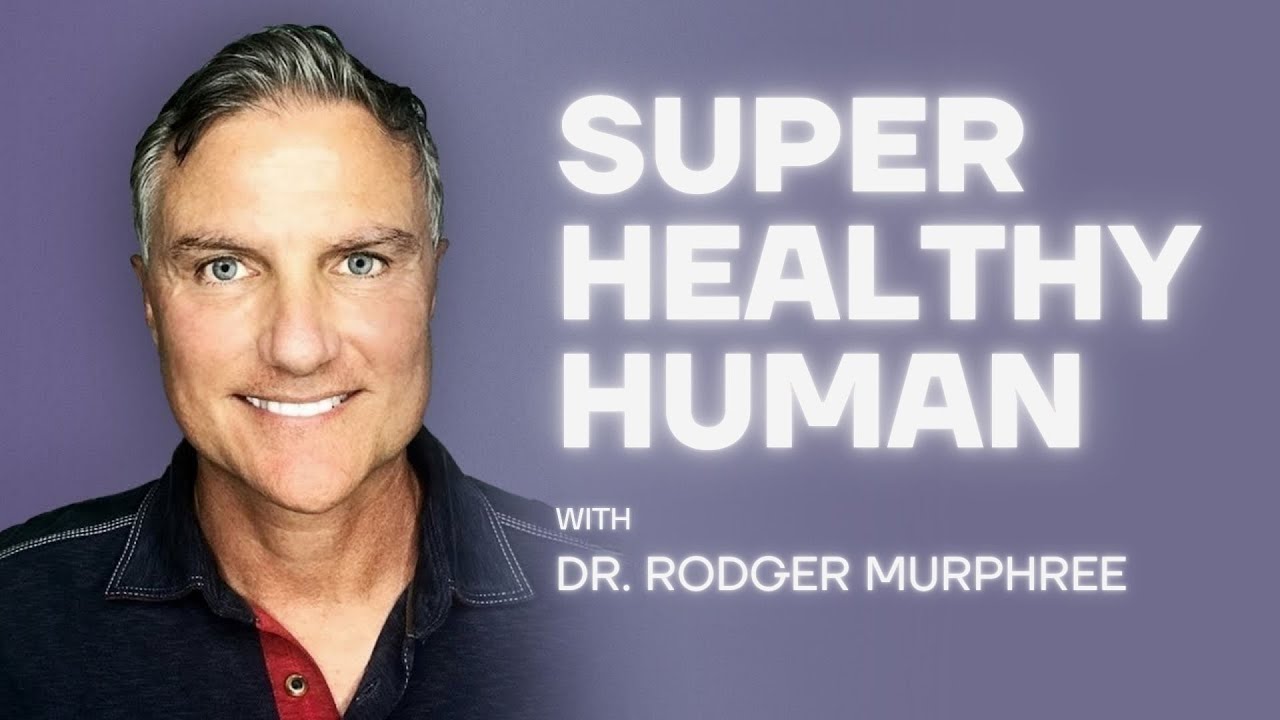
| Hi there, | If you've been told your cholesterol is too high and that a statin drug is the answer, I need you to hear this: the entire narrative you've been sold about cholesterol and heart disease is built on medical myths. | In this week's episode of Super Healthy Human, I break down the three biggest medical myths about heart disease—the same myths I've spent over three decades helping my patients see through. This is material I've presented to physicians in continuing education courses, and tonight I'm giving it to you straight. | Cardiovascular disease kills nearly 1 million Americans every year and accounts for over 40% of deaths in the United States. One person dies every 33 seconds. And for the last 50-plus years, we've relied on lowering cholesterol as the solution. It hasn't worked. In fact, it may be making things worse. | | | Why Cholesterol Is Not the Villain | The National Institutes of Health published findings showing that extensive research did not support a role for dietary cholesterol in the development of cardiovascular disease. As a result, the 2015–2020 Dietary Guidelines for Americans removed the recommendation to restrict dietary cholesterol altogether. | Your body manufactures 800 to 1,500 milligrams of cholesterol every single day. Eighty-five percent of the cholesterol inside you is made by your own body. That's because cholesterol is essential. It's a building block for your cell membranes, your hormones—testosterone, DHEA, progesterone, estradiol, cortisol—and it's the precursor to Vitamin D. Over 8% of your brain's solid matter is cholesterol, and lipids make up 70% of the brain. | The Framingham Study itself showed that after the age of 47, for every 1 mg/dL drop in cholesterol, there was an 11% increase in coronary and total mortality. The Lancet reported that long-term low cholesterol in the elderly actually increases the risk of death. And 40% or more of heart attacks occur in people with normal or low cholesterol levels. | When cholesterol drops below 150 in men, the risk of depression, suicidal tendencies, and death goes up—not down. | | | The Statin Problem | Statins are prescribed as a safe, effective way to prevent heart attacks and strokes. But the data tells a different story. | A meta-analysis of 44 trials involving over 10,000 patients found that the death rate was the same—1%—whether people took a statin, a different cholesterol drug, or a placebo. The New England Journal of Medicine showed that the odds of escaping a heart attack over five years improved from 94.3% to just 95.4% with a statin. That's a 1% improvement—with a long list of side effects attached. | About half of patients who start a statin have to stop within three months due to muscle pain and weakness. After one year, the risk of peripheral neuropathy jumps to 15%. After two years, that risk climbs to 26%. The side effects include burning and tingling, difficulty walking, brain fog, depression, fatigue, joint pain, speech impairment, and even bladder or bowel dysfunction. | Meanwhile, statin drugs deplete CoQ10—the "spark plug" of every cell in your body—and congestive heart failure rates have actually increased over the last 40 years. | | | It's the Inflammation | That was the title of an article I wrote years ago, and it's still the truth. Cholesterol isn't clogging your arteries on its own. Think of cholesterol as a bandaid floating through your bloodstream, delivering hormones and nutrients. When it encounters inflammation in your artery walls, it starts patching the damage. Layer after layer, those patches build up. But the root cause isn't the bandaid—it's the inflammation that called it there. | The two main drivers of virtually every chronic health condition—cardiovascular disease, type 2 diabetes, fibromyalgia, high blood pressure—are inflammation and stress. Address those, and everything starts to change. | | | What's Fueling the Fire: Your Diet | Common inflammation triggers include artificial sweeteners, gluten (for those who are sensitive), pesticides, processed foods, trans fats, hydrogenated oils, and seed oils. | Here's the key distinction: we need two essential fatty acids—Omega-6 and Omega-3. Omega-6 comes from grains and seed oils and promotes inflammation when consumed in excess. Omega-3 comes from grass-fed beef, free-range chicken, cold-water fish, and fish oil—and it's anti-inflammatory. | Centuries ago, the ratio of Omega-6 to Omega-3 was about 3:1. Today, for most Americans, it's at least 10:1. For those with autoimmune conditions, it can be 20:1 or higher. | Ditch these oils: Corn, sunflower, cottonseed, soybean, canola. Cook with these instead: Olive oil, coconut oil, butter, ghee, avocado oil. | And sugar—especially high fructose corn syrup—is a massive driver of inflammation, fatty liver, elevated triglycerides, and metabolic syndrome. Statin drugs don't lower triglycerides. Reducing sugar does. | | | The Anti-Inflammatory Food Plan | Shop the outside aisles of the grocery store. Your plate should be roughly one-third protein and two-thirds vegetables, with a small amount of fruit for dessert. | Proteins: Grass-fed beef, free-range chicken and eggs, wild-caught fish Healthy Fats: Olive oil, coconut oil, butter, ghee, avocado oil Vegetables: Nearly unlimited—just steer clear of white potatoes Fruits: Stick to lower-sugar options like berries, green apples, and citrus Avoid: Pizza, pasta, grains, fruit juice, milk, processed foods (occasional treats are fine—just not daily)
| | | The Weight-Inflammation Connection | Just 20 extra pounds increases your risk of heart disease by 32%, stroke by 81%, type 2 diabetes by 20%, and high blood pressure by 600%—each pound of fat forces your heart to pump blood through seven additional miles of blood vessels. | For many of my patients, the single most powerful thing they did to reverse high blood pressure, pain, and fatigue was lose the excess weight. Not with a crash diet—with a sustainable plan using natural homeopathic drops that suppress ghrelin (your hunger hormone), boost leptin (your satiation hormone), and balance cortisol to stop stress eating. My patients typically lose about half a pound a day—no shots, no pre-packaged meals, no calorie counting. | | My Core Supplement Recommendations for Heart Health | CoQ10: 200 mg/day (essential if you're on a statin) Magnesium: 400–500 mg/day (citrate, glycinate, or chelate) Fish Oil: 2,000 mg/day minimum Red Yeast Rice (Coleacea): A natural statin alternative without the side effects Berberine: For elevated blood sugar and cholesterol above 300
| | Ready to Learn the Full Protocol? | In this week's episode of Super Healthy Human, I go through the research, the studies, and the real-world results that have helped my patients get off medications and reclaim their cardiovascular health. | What you'll learn in the full presentation: | The 3 Medical Myths: Why everything you've been told about cholesterol is wrong—with citations from the Lancet, JAMA, NEJM, and the Framingham Study. The Anti-Inflammatory Food List: Exactly what to eat and what to eliminate. Success Stories: Real patients who went from bedridden and on 8–12 medications to hiking, horseback riding, and thriving. Natural Alternatives: How to replace statins and calcium channel blockers with safe, effective options.
| Listen to the show, subscribe, & leave a comment
YouTube
Apple Podcasts
Spotify | | Let's Connect | After you watch, leave a comment and let me know—what's your biggest concern? Is it getting off a statin? Losing the belly fat? Understanding your labs? I read every response to make sure future episodes address what matters most to you. | This isn't about quick fixes. This is the same step-by-step approach I've used with thousands of patients over 34 years to help them address the root cause—not just cover up the symptoms. | | If you want help | I work with patients using a practical, step-by-step functional medicine plan. We address inflammation, diet, weight, nutrient status, and cardiovascular risk together. | | Note: This newsletter is for education. Do not change or stop any medication without speaking with your doctor. |
|


