What Causes Fibromyalgia Pain? Here is one of the main reasons.
June 18, 2026
What Causes Fibromyalgia Pain? Here is one of the main reasons.

Rodger Murphree
June 18, 2026
In partnership with

Why Does Fibromyalgia Hurt So Much? The Science Behind the Pain
By Dr. Rodger Murphree | June 18th 2026
If you live with fibromyalgia, you already know the pain is real. But understanding why it happens — and why it can feel so relentless — can actually be one of the most empowering steps toward feeling better.
Let's break it down in a way that actually makes sense.
Fibromyalgia and Cell Danger Response

Fibromyalgia is a chronic condition that touches nearly every part of daily life — widespread body pain, persistent fatigue, poor sleep, and that frustrating "brain fog" that makes it hard to think clearly. It's not one simple problem with one simple cause. Instead, it's a web of biological, psychological, and environmental factors all tangled together.
Researchers believe several key players are involved:
Central sensitization — your nervous system essentially turns up the volume on pain signals, making your body hypersensitive to things that shouldn't hurt
Neurotransmitter imbalances — shifts in brain chemicals like serotonin and norepinephrine affect how pain is regulated and how you feel emotionally
Genetics — some people are simply wired in ways that make them more susceptible
Sleep disruption — poor sleep isn't just a symptom; it actively worsens pain perception
Stress and trauma — past emotional or physical trauma can reshape how your nervous system responds to everything that follows
No two people with fibromyalgia are exactly alike, which is part of what makes this condition so challenging — and so often misunderstood.
The Cell Danger Response: When Your Body Gets Stuck in Survival Mode
Here's where things get really interesting.
Dr. Robert Naviaux, a leading researcher in mitochondrial biology, proposed a fascinating theory called the Cell Danger Response (CDR). The idea is that when your body perceives a threat — whether it's an infection, an accident, emotional trauma, or even chronic stress — your cells launch a protective response. They slow down energy production, activate the immune system, and shift into "survive at all costs" mode.
This is actually a brilliant design. In the short term, it keeps you alive.
The problem? For some people, this response never fully switches off

Think about the kinds of stressors that can trigger the CDR: surgery, illness, a car accident, the loss of a loved one, years of chronic stress. Any of these can flip the switch — and in people with fibromyalgia, that switch may stay flipped long after the original threat has passed.
When the CDR stays activated, it can disrupt cellular energy, immune function, hormones, and neurotransmitter balance. Sound familiar? These are exactly the kinds of disruptions we see in fibromyalgia.
Central Sensitization: Your Nervous System on High Alert
Closely connected to the CDR is something called Central Sensitization Pain Syndrome (CSPS) — and if you have fibromyalgia, this is almost certainly part of your picture.
Central sensitization means your brain and spinal cord have become hypersensitive to pain signals. Your nervous system has essentially recalibrated, lowering your pain threshold so that even gentle touch, temperature changes, or mild pressure can register as intense pain. It's not imagined — it's a measurable change in how your nervous system functions.
Researchers are increasingly exploring how a stuck CDR might feed into central sensitization, creating a cycle that's hard to break without the right support.
What Can Actually Help?
The good news is that there are real, practical things you can do to calm your nervous system and raise your pain threshold over time.
Nutrition that fights inflammation:
Omega-3 fatty acids (salmon, sardines, walnuts, flaxseeds) help reduce inflammation at the cellular level
Vitamin D has been linked to better pain tolerance — get it from sunlight, fortified foods, or supplements
Magnesium supports muscle relaxation and pain regulation — found in nuts, seeds, leafy greens, and whole grains
Turmeric (curcumin) has natural anti-inflammatory and pain-relieving properties
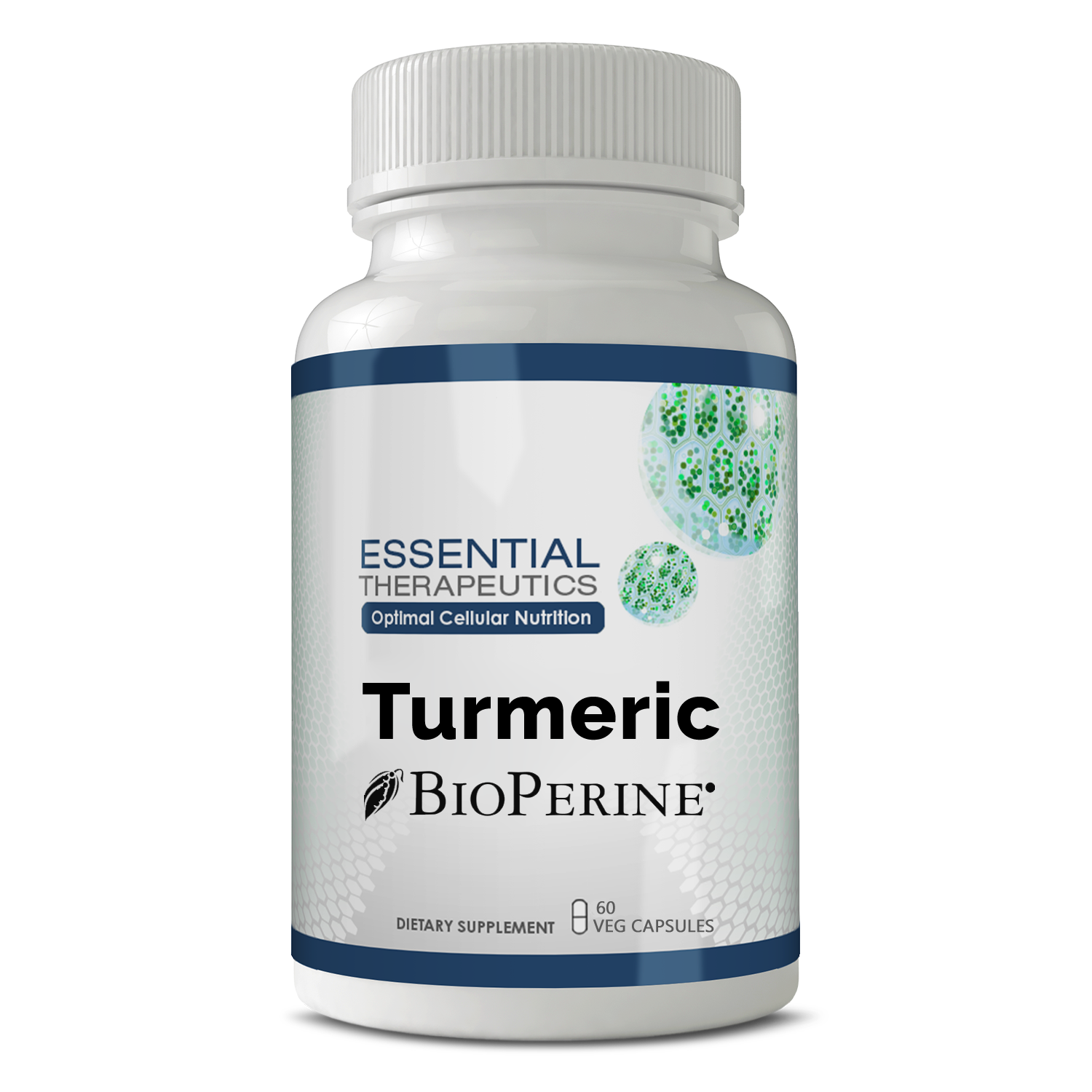
The Benefits of Turmeric
Turmeric is a bright yellow spice popular in curry dishes. Besides adding flavor, it may support good health. The active ingredient, curcumin, has antioxidant and anti-inflammatory effects, helping reduce swelling and protect cells from damage. Studies suggest turmeric can ease joint pain, support digestion, and boost the immune system. It may also benefit the brain and heart.
Lifestyle habits that make a real difference:
Regular gentle movement releases endorphins — your body's own natural painkillers
Stress management through meditation, deep breathing, or yoga helps quiet an overactivated nervous system
Deep, restorative sleep — this one deserves its own section
Why Sleep Might Be Your Most Powerful Tool
If there's one thing that can move the needle on fibromyalgia pain, it's improving the quality of your sleep — especially the deep, restorative stages.
During deep sleep, your body does its most important repair work: healing tissue, regulating hormones, reducing inflammation, and releasing endorphins. When you consistently miss out on deep sleep, your pain sensitivity goes up. When you protect it, your pain tolerance improves.
Better sleep also stabilizes mood, which matters more than people realize — emotional wellbeing and pain perception are closely linked.
Improving sleep with fibromyalgia isn't always simple, but it's one of the most worthwhile places to focus your energy.
The Bottom Line
Fibromyalgia pain is real, it's complex, and it has roots in your biology — not your imagination. Understanding the role of the Cell Danger Response, central sensitization, and the nervous system gives us a clearer map for finding relief.
You're not stuck. And you don't have to figure this out alone.
Have questions about fibromyalgia or where to start? Reach out — We’re here to help.
Free resources at www.yourfibrodoctor.com New patient telemedicine consults available www.fibroconsults.com
Tune in to Dr. Murphree’s Super Healthy Human Podcast and YouTube channel
Subscribe to Super Healthy Human:
Spotify: https://ow.ly/hSla50Xk2V8
Apple: https://ow.ly/gXEJ50Xk2V9
YouTube: https://ow.ly/Fxmk50Xk2Va
The Post-Workout Recovery Secret You’re Sleeping On

You’ve dialed in your workouts, nutrition, and hydration. But if progress still feels slow, there’s one recovery factor often overlooked: sleep.
Muscles repair and rebuild while you sleep. Less sleep means less time to recover.
If getting enough rest is a challenge, CBDistillery offers targeted support your sleep solutions.
Their gummies and tinctures combine non-intoxicating CBD with CBN, a cannabinoid commonly used to promote better sleep.
In a 2021 CBDistillery study, participants reported sleeping longer on average after using CBD and CBN together.
Right now, readers can save 25% on sleep solutions with code SLEEPMORE at checkout.