The Heart Attack Myth: "Normal" Cholesterol Isn't the All-Clear You Think
August 20, 2026
The Heart Attack Myth: "Normal" Cholesterol Isn't the All-Clear You Think

Rodger Murphree
August 20, 2026
In partnership with

The Heart Attack Myth: Why "Normal" Cholesterol Isn't the All-Clear You Think It Is
If you've had bloodwork done recently and your LDL came back "normal," you probably breathed a sigh of relief. Most people do. We've been trained for decades to treat that one number as the verdict on our heart health: good LDL, good outlook; high LDL, time to worry.
Here's the problem. Nearly half of the people who show up in the hospital having an actual heart attack have LDL cholesterol in the "optimal" range. A landmark study published in the American Heart Journal, which looked at over 136,000 patients hospitalized for heart attacks nationwide, found that almost 75% of them were already within recommended LDL targets, and roughly half had LDL under 100 mg/dL, the number doctors have long considered ideal. These weren't people who ignored their cholesterol. Many of them had done everything "right" on paper, and their arteries ruptured anyway.
So if LDL isn't the whole story, what is?
Inflammation Is the Real Culprit
Cholesterol doesn't cause a heart attack just by existing in your bloodstream. It becomes dangerous when it gets oxidized and lodges itself in the wall of an already inflamed artery, where your immune system reacts to it, plaque builds, and that plaque eventually becomes unstable enough to rupture. A heart attack isn't really a plumbing problem. It's an inflammatory event.
That's why markers like high-sensitivity C-reactive protein (hs-CRP), a blood marker of systemic inflammation, are often better predictors of cardiovascular risk than LDL alone. People with low LDL but elevated hs-CRP can carry more cardiac risk than people with high LDL and low inflammation. Your arteries don't care what your LDL number is nearly as much as they care whether your body is in a chronic, simmering inflammatory state.
Even the New Guidelines Are Starting to Admit It
The 2026 ACC/AHA cholesterol guidelines actually pushed LDL targets lower than ever, under 100 mg/dL for people without heart disease, under 70 for intermediate-risk patients, and under 55 for the highest-risk group. To their credit, the guidelines also formally added hs-CRP testing, coronary calcium scoring, and inflammatory conditions like rheumatoid arthritis as "risk-enhancing factors" that should influence treatment.
But here's why many physicians say the guidelines still miss the point: even with all that added nuance, the actual treatment target patients walk away with is still a single LDL number, hit almost exclusively with statins. Inflammation gets acknowledged as a modifier of risk, not treated as the driver of the disease itself. You can nail your LDL goal and still be walking around with the inflamed, oxidative environment that actually causes plaque to rupture. The guidelines got smarter about identifying risk; they didn't fundamentally change what gets treated.
That gap is exactly where the 50% of "normal LDL" heart attack patients fall through.
/
What Actually Helps Calm the Fire
If inflammation is the real driver, it makes sense to address it directly, not just chase a lipid number. Two of the most well-studied natural anti-inflammatories are worth knowing about.
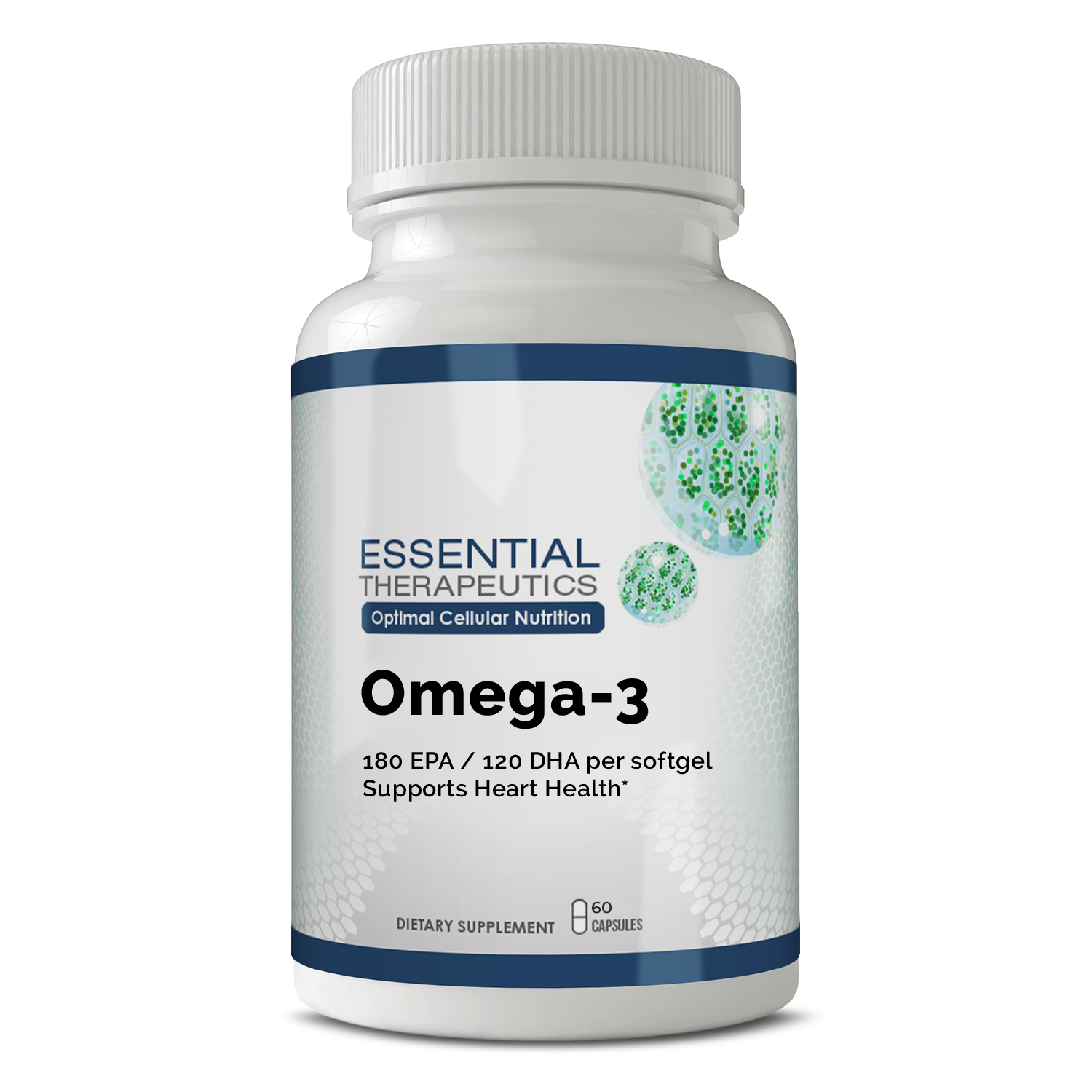
Fish oil, specifically the omega-3 fatty acids EPA and DHA, helps reduce inflammation by shifting the balance of compounds your body makes from fat molecules. Instead of pumping out highly inflammatory prostaglandins and leukotrienes derived from omega-6 fats, your body starts producing gentler, less inflammatory versions from omega-3s. EPA and DHA also get converted into resolvins and protectins, specialized molecules whose entire job is to actively resolve inflammation once it's done its job, rather than letting it linger. Fish oil has also been shown to lower triglycerides, modestly reduce hs-CRP levels, improve blood vessel function, and stabilize the electrical activity of the heart, which is part of why it's associated with lower rates of cardiac events. For most people, it's one of the most evidence-backed, low-risk ways to lower systemic inflammation.
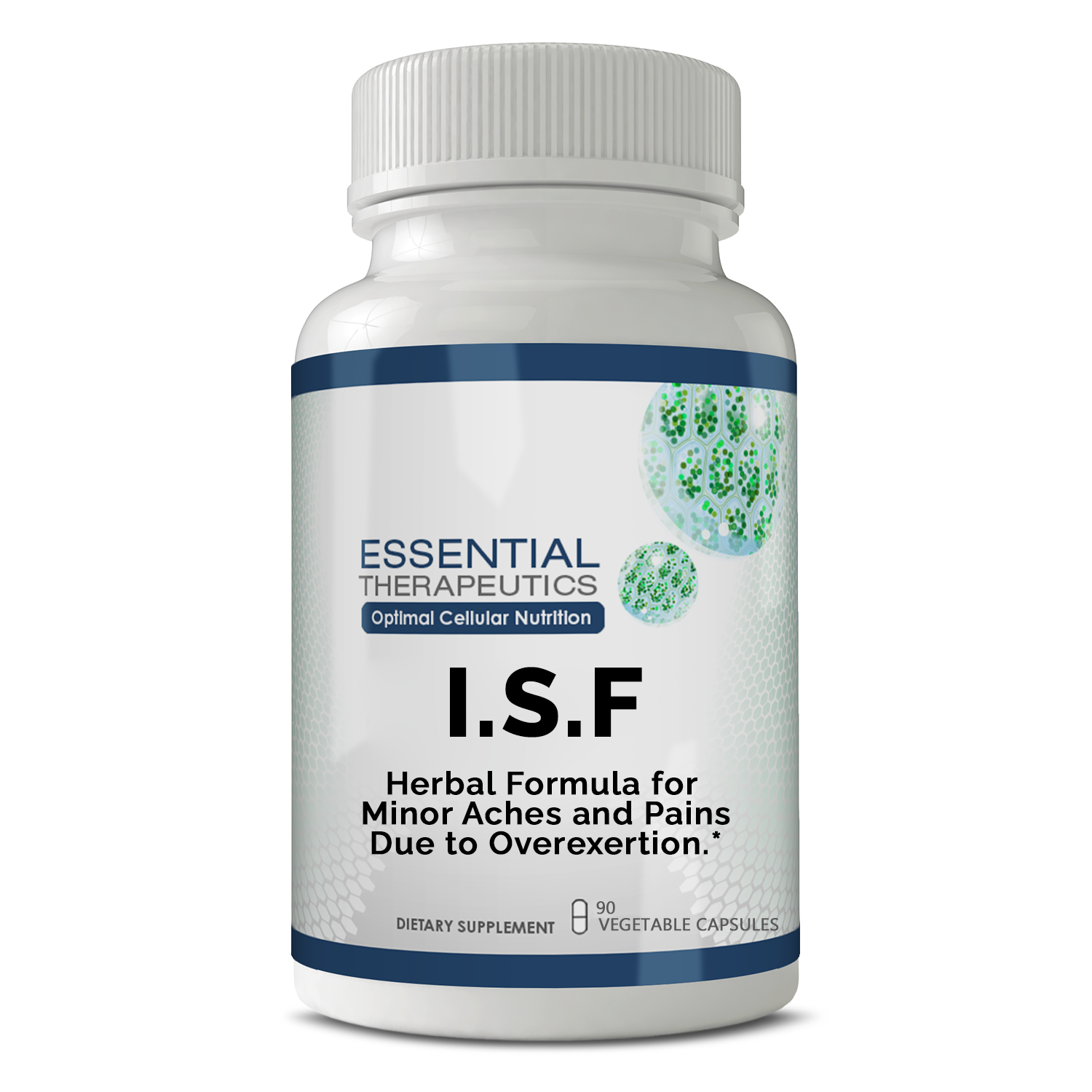
Boswellia, rosemary, ginger, and turmeric each bring a slightly different anti-inflammatory mechanism to the table, which is why they're often used together. Boswellia's active compounds block the 5-LOX enzyme that produces inflammatory leukotrienes; rosemary is rich in carnosic acid and rosmarinic acid, which act as antioxidants and help quiet NF-kB, a master switch that turns on inflammatory gene activity; ginger contains gingerols and shogaols that inhibit some of the same COX and LOX pathways NSAIDs target, but more gently; and turmeric's curcumin is one of the most studied natural anti-inflammatories, also suppressing NF-kB along with a range of inflammatory cytokines like TNF-alpha and IL-6. Used together, they hit inflammation from several angles at once rather than relying on a single pathway.
The Takeaway
None of this means LDL is meaningless, it's still one piece of a much bigger picture. But if your only cardiovascular strategy is "get my LDL number down," you're treating a symptom while potentially ignoring the actual fire. Nearly half of heart attack patients prove that a "good" cholesterol number is not the same thing as a healthy artery.
If you want a fuller picture of your real cardiovascular risk, ask your doctor about hs-CRP testing alongside your standard lipid panel, and think seriously about what's driving inflammation in your body in the first place: diet, blood sugar, gut health, stress, and sleep all play a role. Addressing inflammation directly, through both lifestyle changes and targeted support like omega-3s and boswellia, gets at the root of the problem in a way that chasing a single number on a lab report never will.
Your heart isn't asking you to hit a target. It's asking you to put out the fire.
New Patient Video Consults Available
Need Help With a Chronic Illness? Heart Disease, Fibromyalgia, Low Thyroid, Hashimoto’s, Type II Diabetes, Mold, Lyme, Fatigue, Lyme, Long Covid?
Sick and tired of being sick and tired?
One Hour Video Consults With Dr. Murphree. Learn more at www.superhealthyhuman.com
Call the clinic M-Th 8-1pm CDT 205-879-2383
The CBD Brand that Actually Does What It Says

CBD is having a moment and CBD brands are everywhere right now. But with so many options, it can be tough to know what to look for – and which brands actually follow through on their claims.
That’s where CBDistillery sets itself apart. For the past decade, all of CBDistillery's products have been made with non-GMO, US-grown industrial hemp and with 100% clean ingredients – no corn syrup or artificial colors, flavors, preservatives or sweeteners.
They frequently introduce new and innovative products formulated to meet a variety of wellness needs and customer preferences. And every single batch of CBDistillery’s gummies, oil tinctures, topicals and softgels are tested by an independent, accredited lab to make sure what’s in the package matches what’s on the label.
Right now, CBDistillery is offering our readers a special deal: save 50% on orders of $75 or more with code NEWS50!
More about my work: superhealthyhuman.com
For more free resources, visit yourfibrodoctor.com.
Brought to you by or sponsored by Essential Therapeutics and essentialtherastore.com, physician formulated, pharmaceutical grade, clinically proven supplements for optimal cellular health. |
