Is Your Brain Getting the Nutrients It Needs?
October 3, 2026
Is Your Brain Getting the Nutrients It Needs?
Christina Veselak explains how protein, blood sugar, amino acids, and key nutrients may affect mood, anxiety, cravings, and addiction recovery.

Michael Wildes
October 02, 2026
Hi there,
What if some struggles with mood, anxiety, cravings, or addiction are being made harder because the brain is not getting what it needs?
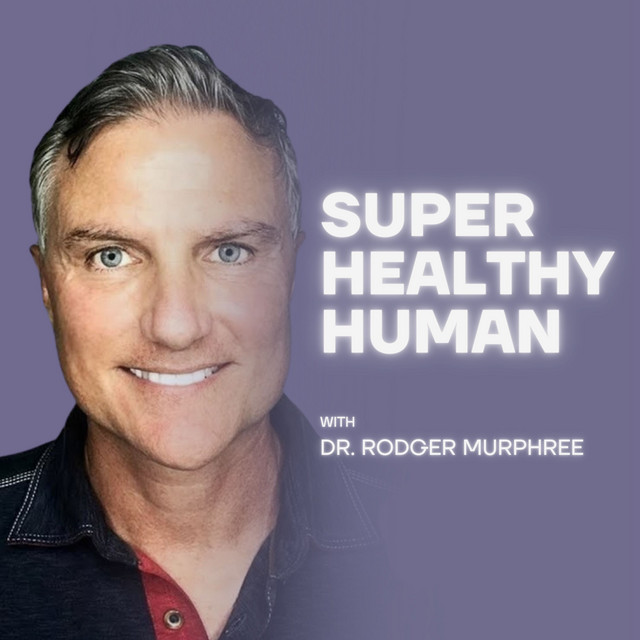
In this week’s episode, Dr. Rodger Murphree talks with Christina Veselak, a licensed therapist, relapse-prevention and trauma-recovery coach, and mental health nutritionist. Their conversation explores what Veselak calls “feeding the recovering brain” and why she believes nutrition should be considered alongside therapy, emotional support, and other forms of treatment.
Your Brain Needs Raw Materials
We often think about mental health as something that happens only in our thoughts and emotions.
Veselak asks listeners to look at another part of the picture: the physical needs of the brain.
She explains that the brain relies on nutrients to support functions such as coping with stress, regulating mood, sleeping, waking, learning, and using the skills taught in therapy. In her approach, nutrition does not replace therapy. It is another part of supporting the brain so a person can make better use of treatment.
Protein, Blood Sugar, and the Recovering Brain
One of the simplest topics in the conversation is also one of the most practical: eating enough food.
Veselak explains that amino acids used to make neurotransmitters come from protein. For people in early recovery, she recommends regular protein intake and paying close attention to blood sugar.
She describes missed meals as a major concern in her work because falling blood sugar may trigger an adrenaline response and make it harder for some people to regulate stress, cravings, and behavior. She also shares how often she sees people with mental health or addiction struggles either eating poorly or not eating enough at all.
A quick note from me: Thank you to everyone who has watched and shared videos from the Super Healthy Human Podcast.
You can help me help others—and help keep this content free of charge—simply by watching and sharing videos from the Super Healthy Human YouTube channel.
Simply click on the Super Healthy Human Podcast Playlist below. The videos will play one after another. You can watch one or all of them. You can also leave the playlist playing on your TV, phone, or computer in the background. Just remember that muted minutes or hours will not count.
There are 113 videos in the playlist, with something for everyone. Topics include trauma, mold, thyroid disorders, adrenal fatigue, getting a good night’s sleep, anxiety and depression, preventing fibro flares, cholesterol myths, diabetes, GI disorders, leaky gut, IBS, fatigue, chronic pain, fibromyalgia, Lyme disease, EBV, diet choices, and many more.
Please give one—or many—of these videos a listen or watch, and forward them to others who may benefit. It is okay to leave them playing in the background as long as they are not muted. Even better, give them a listen and see if you learn something new that can help you live a healthier, happier, more enjoyable life.
Watch here: https://www.youtube.com/@SuperHealthyHuman/streams
Mental Health May Have More Than One Piece
Veselak describes mental health and addiction recovery as a three-legged stool.
In her model, those three legs are biochemical, psychosocial, and spiritual. Her point is that treatment may be less complete when one of those areas is ignored.
She discusses possible biochemical factors such as poor nutrition, food intolerances, nutrient deficiencies, blood-sugar problems, and depleted neurotransmitter systems. She also explains how her work uses assessments and nutrition strategies alongside counseling and recovery support.
The episode also covers nutrients she commonly considers in her work, including B vitamins, zinc, magnesium, protein, and omega-3 fats. These are presented as part of her clinical approach rather than a replacement for individualized medical or mental-health care.
Ready to go deeper?
Watch the full episode now.
Listen to the show, subscribe, & leave a comment

Let's Connect
After you listen, leave a comment and let me know — how many medications are you currently taking? Have you ever traced a symptom back to a drug side effect? I read every response to make sure future episodes address what matters most to you.
If you want help
Consultations & Programs: fibroconsults.com
More about my work: superhealthyhuman.com
Free Resources: Visit yourfibrodocor.com
Note: This newsletter is for education. Do not change or stop any medication without speaking with your doctor.
Leave Granola and get up to 12 months free of Wispr Flow Notetaker + Dictation

If you have paid time left on an individual Granola plan, we'll match it with a Wispr Flow subscription that includes Notetaker and dictation, and add bonus time, up to 12 months total. Sign in or create a Wispr account and submit proof of your plan to check eligibility.