"Help For Anxiety, Depression, and Brain Fog."
May 15, 2026
"Help For Anxiety, Depression, and Brain Fog."
Proven natural protocols for reducing anxiety, depression, and brain fog

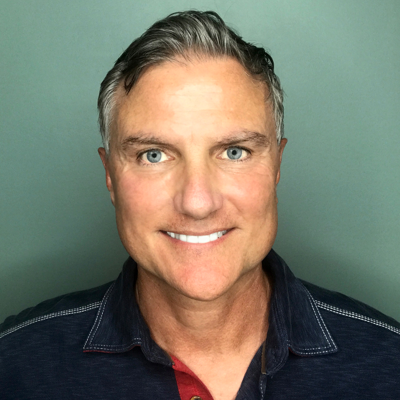
Rodger Murphree
May 15, 2026
Join Dr. Murphree 5-20-26 at 6pm CDT for Live Presentation “Help For Anxiety, Depression, and Brain Fog.”
Learn:
What is Orthomolecular Medicine
What is mono amino acid therapy
How mono amino acid therapy is preferred way to reduce or eliminate mood disorders
Key steps for dramatically reducing anxiety, depression and brain fog
Why prescription antidepressants may not work
Potential side effects of prescription antidepressants and anti-anxiety meds
Alternatives to drug therapy
How to wean off antidepressants with the help of your doctor (Do Not Stop Any Anti-depressant Medication Without Consulting Your Doctor)
Anxiety & Depression
In any given 1-year period, 9.5 percent of the population, or about 18.8 million American adults, suffer from depression. Major depression is the leading cause of disability. The indirect and direct costs of mood disorder illnesses totals over 43 billion dollars a year. Depression and related mood disorders ranks behind high blood pressure as the most common reason people visit their doctors. Anyone who has suffered with a mood disorder knows first hand just how painful these illnesses can be. Anxiety and depression disorders affect every facet of a person’s life.. The pain, disappointment, fatigue, and hopelessness that these individuals experience slowly consumes every fiber of their being. They may lose their job, marriage, friends, and family as they spiral into an ever deeper abyss. At it’s worst the illness may cause some individuals to become so sick that death is a welcomed option. Over 30,000 Americans commit suicide each year.
Individuals who consult their family doctor for anxiety and or depression usually receive a prescription medication. The most often prescribed antidepressants are in the form of selective serotonin re-uptake inhibitors (SSRI) like Prozac, Effexor, Cymbalta, Paxil, Zoloft, Celex, or Lexapro. Prescription antidepressants can provide welcomed relief from the symptoms associated with anxiety and depression. Millions of Americans have benefited from taking these medications. And in fact as many as 10% of the U.S. population has taken one of these medications. Precription antidepressants sales reached a total of 37 billion in sales in 2003, which came out to $9 million more than was spent on treatments for the heart, arteries and blood pressure.
Prozac was cleared by the FDA in 1988. By 1994, it had become the fastest growing prescription drug in America with sales over $1.2 billion. In one year, 1993, prescription anti-depressant drug sales grew by almost 20%. Prescription drugs have helped millions of people overcome their depression. However, prescription medications are not effective for everyone. They have side effects that can be life- threatening. Prozac has been associated with over 1,734 suicide deaths and over 28,000 adverse reactions.
Prescription anti-depressants may cause depression, addiction, suicidal tendencies, tardive dyskinesia (involuntary muscle spasms), sexual dysfunction, and Tardive dementia (senility). These side effects are due to poor liver function and drug-induced nutritional deficiencies. Metabolizing these anti-depressants uses up essential vitamins, minerals, and amino acids and may create nutritional deficiencies. These deficiencies then lead to further symptoms including depression. The June 1990 Health Letter, published by the Public Citizen Health Research Group, estimates that muscle tremors, or akathisia, affect a whopping 15 to 25% of Prozac patients. Akathisia is a medical term for a condition characterized by inner tension or anxiety that drives or compels afflicted individuals to move their bodies.
Prescription anti-depressants attempt to increase the brains efficiency in using adequate amounts of neurotransmitters. Prozac is classified as a selective serotonin reuptake inhibitor (SSRI). Other SSRI’s include Zoloft, Paxil, and Lexapro. These medications inhibit the destruction of serotonin. This allows more time for more serotonin to circulate in the brain. But no one has a Prozac or SSRI deficiency. A serotonin deficiency, yes. But is prescription medication always necessary? Using SSRI’s is similar to using a gasoline additive in an empty gasoline tank. Most individuals with mood disorders have been running on fumes (low serotonin or other neurotransmitters) for years. A gasoline additive isn’t going to help. Some individuals do notice an improvement for a period of time but then their nutritional deficiencies begin to rob them of what little serotonin they have left. Once their serotonin is used up they are left to try yet another anti-depressant. Is it any wonder these individuals are depressed? There is a better way. Why not just correct the nutritional deficiencies? Why not pour gasoline into the tank? Forget the gasoline additive. Let’s just fill the tank back up with serotonin.
Nutritional Deficiencies
Medical science has now determined that how we feel is largely controlled by the foods we eat and how well these building blocks are converted into brain transmitting chemicals called neurotransmitters. Neurotransmitters are brain chemicals that control our moods. You may remember that chains of essential and non-essential amino acids make up proteins. Many of these amino acids are converted into neurotransmitters. The brain needs adequate amounts of protein and their amino acids for the production of neurotransmitters. The neurotransmitters include serotonin, dopamine, gamma amino butyric acid (GABA), and norepinepherine.
Orthomolecular Medicine
A group of progressive-minded physicians helped pioneer a new way of treating mental disorders. In 1968, Nobel Prize-winner Linus Pauling, Ph.D., originated the term “orthomolecular” to describe an approach to medicine that uses naturally occurring substances normally present in the body. “Ortho” means correct or normal, and orthomolecular physicians recognize that, in many cases of physiological and psychological disorders, health can be reestablished by properly correcting, or normalizing, the balance of vitamins, minerals, amino acids, and other similar substances within the body.
The premise of orthomolecular medicine extends back to the 1920s when vitamins and minerals were first used to treat illnesses unrelated to nutrient deficiency. During that time, it was discovered that vitamin A could prevent childhood deaths from infectious illness, and that heart arrhythmia (irregular heartbeat) could be stopped by dosages of magnesium. Like their more conventional colleagues, orthomolecular physicians acknowledge that mental disorders originate from faulty brain chemistry. However, unlike their more conventional colleagues, orthomolecular physicians rely less on prescription medications. Instead, orthomolecular psychiatrists recognize the important role nutrients, including amino acids, play in creating and regulating neurotransmitters. They then seek to uncover any nutritional deficiencies that may be causing mental disorders. Once these deficient nutrients are found, they are replaced to provide optimal levels needed to correct the neurotransmitter dysfunctions.
Amino Acids and Orthomolecular Medicine
Most individuals who consult their medical doctor for mood disorders are placed on prescription medications. Many of these anti-depressants are in the form of selective serotonin re-uptake inhibitors (SSRI). These drugs (Lexapro, Prozac, Paxil, Celexa, and Zoloft) are supposed to help the brain be more efficient at using the serotonin it produces. And, as I’ve already stated, it is analogous to a gasoline additive to help your car get more mileage out of the gasoline in your tank. Unfortunately, many of these individuals don’t have any serotonin in their tanks and they are running on fumes. Since their brain isn’t making serotonin, an additive isn’t going to help.
Where do the neurotransmitters come from?
Neurotransmitters are brain chemicals that help relay electrical messages from one nerve cell to another. Neurotransmitters are produced from the amino acids in the foods we eat. Amino acids join together in different patterns to form a protein. Eating a protein-rich food allows us to replenish our ongoing demand for the essential amino acids. Half of the amino acids are essential. This means our bodies can’t manufacture them and we must get them from the foods we eat (protein). Certain amino acids, along with vitamins (B6, B3, C) and minerals (magnesium), produce the neurotransmitters. The amino acid Tryptophan turns into serotonin. The amino acid phenylalanine turns into epinephrine. Amino acids are the raw nutrients needed to manufacture the neurotransmitters which regulate our moods.
What do neurotransmitters do?
Neurotransmitters help regulate pain, reduce anxiety, promote happiness, initiate deep sleep, boost energy, and mental clarity. The neurotransmitters that cause excitatory reactions are known as catecholamines. Catecholamines, epinephrine and norepinepherine (adrenaline) are derived from the amino acid phenylalanine. Inhibitory or relaxing neurotransmitters include serotonin and gamma-aminobutyric acid (GABA).The neurotransmitter serotonin is produced from the amino acid tryptophan. GABA is produced from the amino aid glutamine.
Correcting the cause of mood disorders.
No one is born with a Prozac deficiency. However, people can develop a serotonin deficiency. Using a SSRI doesn’t correct the cause. If someone is out of gas (serotonin), why would you use a gasoline additive (SSRI)? Why not fill the tank (brain) up with gas (serotonin) instead? I’ve been using amino acid replacement therapy for several years and have found this approach to be far superior to using prescription medicines (in most cases) for treating mild to moderate mood disorders. I’ve treated thousands of patients with mood disorder. I’ve found very few problems with mixing amino acid therapy with prescription anti-depressants. However, you may wish to work with a health-care professional familiar with orthomolecular or amino acid therapy.
SAVE 15% on any of the amino acid supplements below use code Brain15
Take The Brain Function Questionnaire Survey To See Which Amino Acids You May Need
The “S” Group (S for Serotonin)
Please note the items which apply to your present feelings:
It’s hard for you to go to sleep.
You can’t stay asleep.
You often find yourself irritable.
Your emotions often lack rationality.
You occasionally experience unexplained tears.
Noise bothers you more than it used to. It seems louder than normal.
You “flare up” at others more easily than you used to.
You experience unprovoked anger.
You feel depressed much of the time.
You find you are more susceptible to pain.
You prefer to be left alone.
If three or more of the above apply, then read below.
The “S” Group
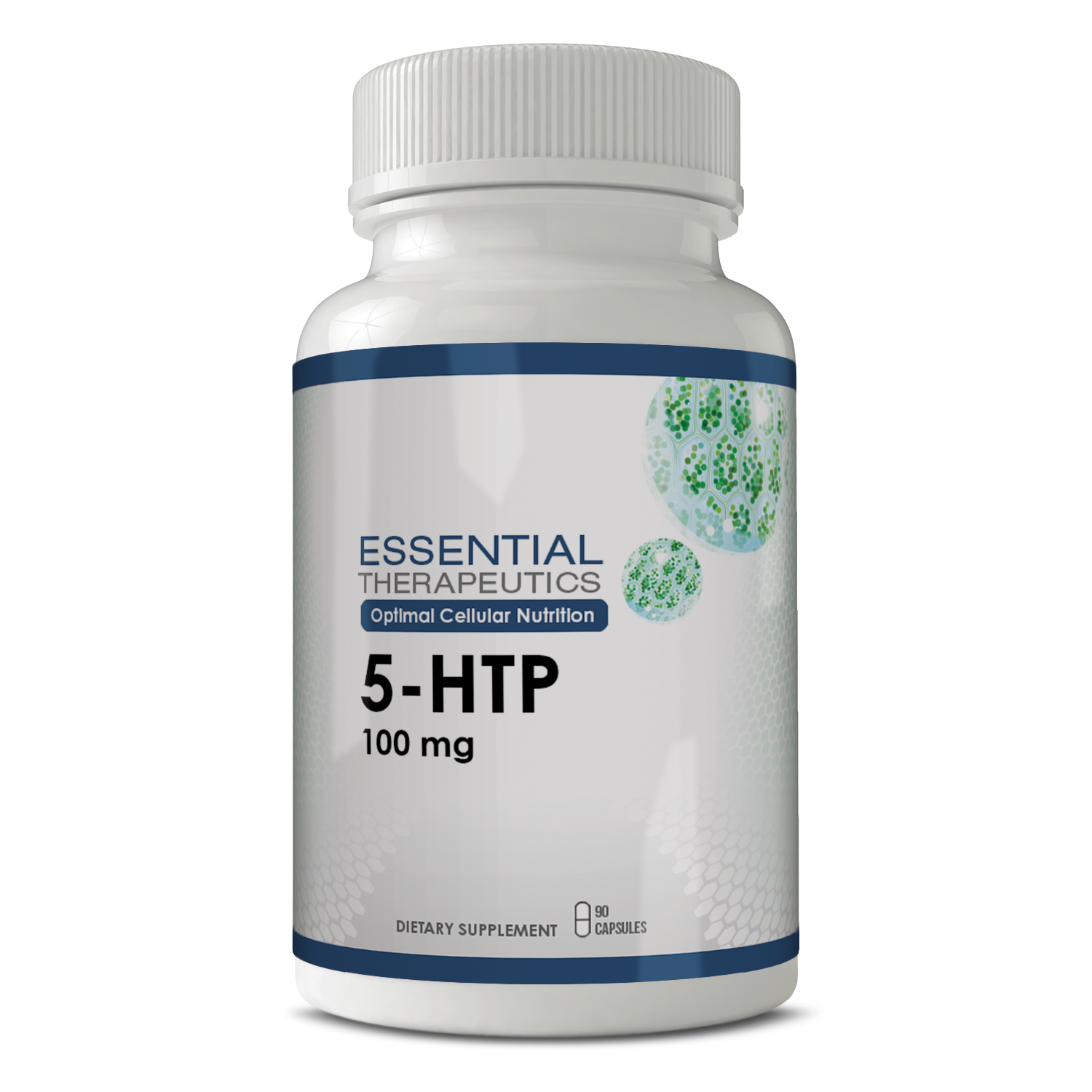
Serotonin is a hypothalamus neurotransmitter which is necessary for sleep to occur. A lack of serotonin causes difficulty in getting to sleep as well as staying asleep. It is often this lack of sleep that causes the symptoms mentioned above. Serotonin levels can easily be raised by supplementing with the essential amino acid, L-Tryptophan. Dietary supplements of L-Tryptophan are banned in the United States. The natural sources of L-Tryptophan include milk, cheese, meat, ham, peanuts, and cottage cheese. All of these are very high in calories and cholesterol content. As a consequence, in order to keep your serotonin supply at a proper level, you must supplement small amounts of food sources of L-Tryptophan with the serotonin production catalysts, calcium, magnesium, and trace element, chromium. 5 Hydroxytryptophan (5HTP) a form of Tryptophan, is available over-the-counter and works extremely well for most patients.
Peek X Warning
5HTP is derived from plant sources and when manufactured correctly is incredibly safe. However, some manufacturers try to cut corners and in may produce batches of 5HTP with potentially harmful contaminants, including a substance known as “peak X.” Always read the label and make sure the 5HTP you’re taking is certified to be “peak X” free. Every batch of Dr. Murphree’s 5HTP is certified to be “peak X” free and says so on every bottle.
Supplementing with 5HTP
Start with taking 100mgs 30 minutes before bed. Take on an empty stomach, along with 4 ounces of juice (apple or grape). You may need to increase this dose up to 300mgs a night. If you feel hung over the next day, decrease your dose of 5HTP. Warning – a few individuals who attempt to take 5HTP at night will have an adverse reaction. Individuals with a sluggish liver (usually more pronounced in CFS) may have trouble breaking down 5HTP fast enough. Instead of making them sleepy, it revs them up and they become more mentally alert. If this happens, simply take 1-2 5HTP tablets with food 1-2 times a day and discontinue using it at bedtime on empty stomach.
The “O” Group (O for Opioids)
Do ANY of these apply to your present feelings?
Your life seems incomplete.
You feel shy with all but your close friends.
You have feelings of insecurity.
You often feel unequal to others.
When things go right you sometimes feel undeserving.
You feel something is missing in your life.
You occasionally feel a low self-worth or esteem.
You feel inadequate as a person.
You frequently feel fearful when there is nothing to fear.
If three or more of the above apply, then read below.
The “O” Group is named for the Opioid neurotransmitters contained in the Hypothalamus Gland.
These neurotransmitters have two primary functions:
1. Opioids are released in small bursts when we feel a sense of urgency (stress). Some individuals thrive on this sense of urgency. They love just meeting deadlines, racing around to get things done. They seem to feed off of this adrenaline rush.
A sense of urgency can help us get out of bed in the morning or get the kids off to school. However, if you can never turn this sense of urgency off, you’ll eventually deplete the opioids along with other vital hormones including cortisol, and DHEA.
As a way to turn off the constant mind chatter, those in the “O Group” use stimulants and mind numbing chemicals (alcohol, marijuana, food, etc.) to escape the constant pressure they place on themselves to be more, do more, have more. Type A’s are often overcome by opioid burn out. They cannot sit still. Until one day the bottom falls out and they “just can’t do it anymore.”
Alcohol and other chemicals can temporarily relieve the anxious feelings associated with opioid overload. They do so by providing artificial opioids. Unfortunately, these artificial opioids also cause the Opioid manufacturing cells in your brain to reduce their output.
In the long run these cells lose their ability to produce the needed opioid neurotransmitters. You then crave the artificial opioids and an addiction has been born.
2. When you exercise, your body causes extra quantities of the opioids to be released. This takes away the pain of sore muscles and may provide a feeling of euphoria. Long distance runners and other avid exercise enthusiast are well aware of “The High” that comes from pushing the body past its normal limits. The opioids play an important role in pain modulation.
A deficiency of opioids can lower our pain threshold. A lowered pain threshold means being more sensitive to painful stimuli.
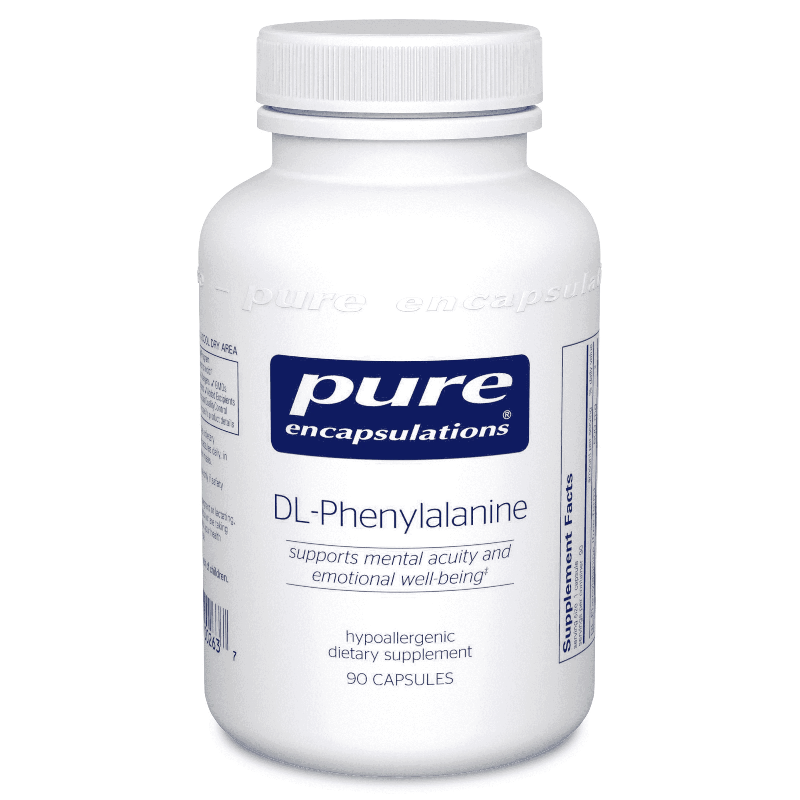
DL-Phenylalanine (a special form of the amino acid Phenylalanine) can be extremely helpful in restoring proper opioid levels.
Supplementing with DL- Phenylalanine (DLPA)
Start with 1,000mgs, 1-2 times a day, on an empty stomach. If you don’t seem to notice any benefits, keep increasing the dose up to 4,000mgs twice a day.
If you experience a rapid heartbeat, agitation or hyperactivity, reduce or stop taking DL- Phenylalanine.
L- Glutamine increases the effectiveness of both DL and L- Phenylalanine.
Take 500mgs of L- Glutamine 1-2 times a day on an empty stomach along with the DL-Phenyalanine or L-Phenyalanine.
Both DL and L- Phenylalanine can increase blood pressure. If you already have high blood pressure, consult your doctor before taking either form of Phenylalanine.
Phenylalanine can be stimulating and shouldn’t be taken past 3 in the afternoon.
The “G” Group (G for GABA)
Please note the items which apply to your present feelings:
You often feel anxious for no reason.
You sometimes feel “free floating” anxiety.
You frequently feel “edgy” and it’s difficult to relax.
You often feel a “knot” in your stomach.
Falling asleep is sometimes difficult.
It’s hard to turn your mind off when you want to relax.
You occasionally experience feelings of panic for no reason.
You often use alcohol or other sedatives to calm down.
If three or more of the above apply, then read below.
The “G” group symptoms are from the absence of the neurotransmitter, Gamma Amine Butyric Acid (GABA).GABA is an important neurotransmitter involved in regulating moods and mental clarity.
Tranquilizers used to treat anxiety and panic disorders work by increasing the GABA.
GABA is made from the amino acid, Glutamine. Glutamine passes across the blood-brain barrier and helps provide the necessary fuel needed for proper brain function.
Supplementing with GABA
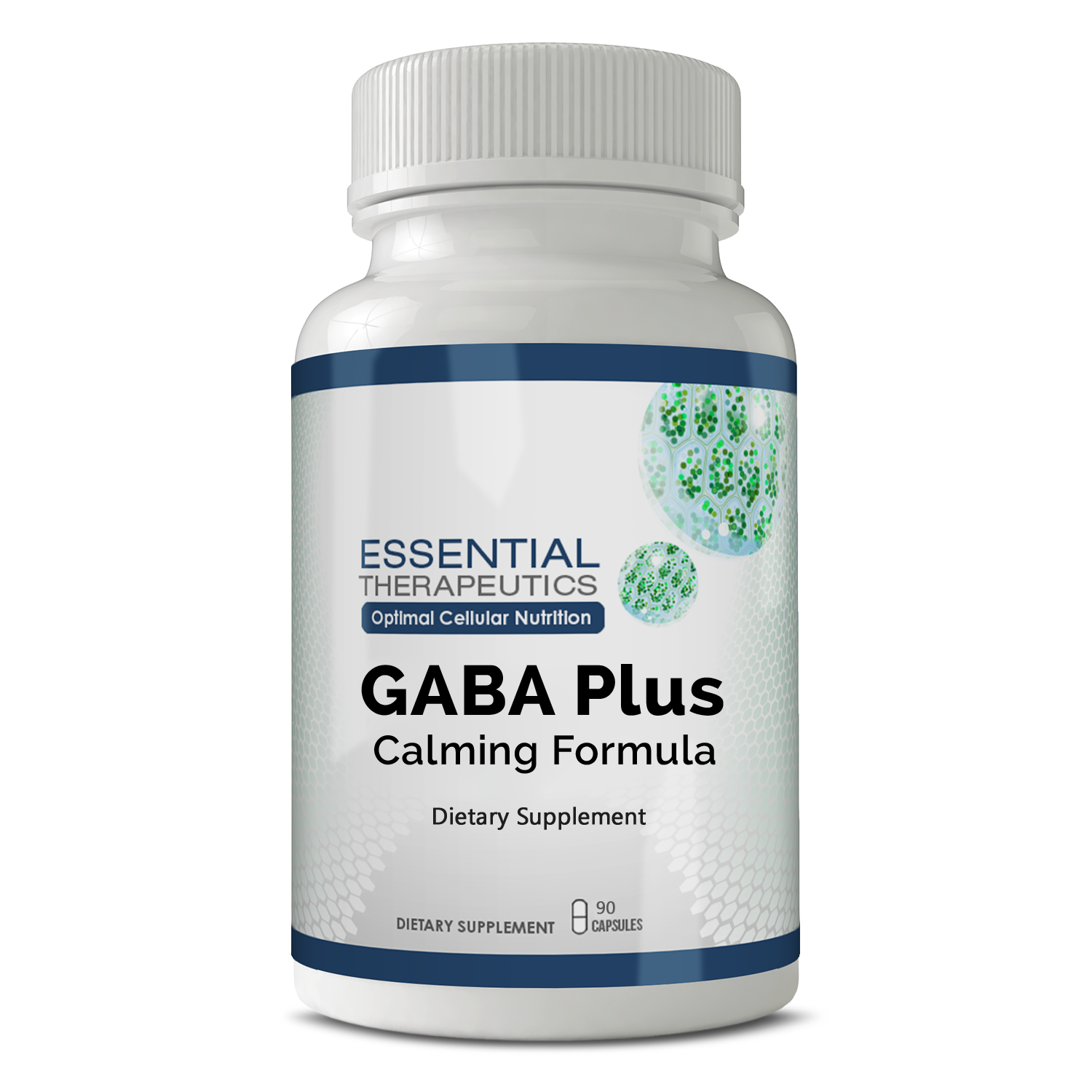
Usually only a small dose of GABA is needed – 500 – 1,000mgs twice a day. Some individuals may need to take GABA 3-4 times a day. Like most amino acids, GABA needs to be taken on an empty stomach. I recommend GABA-Plus a specially designed supplement with synergistic all natural ingredients to help quickly and safely reduce anxiety. Typically take 1-2 capsules 2-3 times a day on an empty stomach.
The “D” Group (D for Dopamine)
Please note the items which apply to your present feelings:
You lack pleasure in life.
You feel there are no real rewards in life.
You have unexplained lack of concern for others, even loved ones.
You experience decreased parental feelings.
Life seems less “colorful” or “flavorful.”
Things that used to be “fun” aren’t any longer enjoyable.
You have become a less spiritual or socially concerned person.
If three or more of the above apply then read below.
The “D” Group
Dopamine is a neurotransmitter associated with the enjoyment of life, food, arts, nature, your family, friends, hobbies, and other pleasures. The popularity of cocaine (or chocolate) stems from the fact that it causes very high levels of dopamine to be released in a sudden rush.
This creates a euphoric state. A dopamine deficiency can lead to a condition known as anhedonia.
Anhedonia is the lack of ability to feel any pleasure or remorse in life (lifeless). It also reduces the person’s attention span. For example, a person who has taken cocaine for some time will have used up most of his or her dopamine supply.
Their attention span is often reduced to 2 to 3 minutes instead of the usual 50 to 60 minutes. Learning, for such a person, is nearly impossible.
Brain fatigue, confusion, and lethargy are all byproducts of low dopamine. The brain cells which “manufacture” dopamine use the amino acid L-Phenylalanine as the raw material. Like most cells in the hypothalamus, they have the ability to produce 4 or 5 times their usual output if larger quantities of the raw materials (amino acids and their co-factors) are made available through nutritional supplementation.
SAMe Helps Boost the Effects of Antidepressants
Prescription antidepressants fail to work for fifty percent of those take them. One way to boost the beneficial effects of antidepressant medications is to take them with SAMe (S-adenosyl-L-methionine). Research has already shown that SAMe increases dopamine, serotonin and noriepinephrine levels (brain chemicals) and is a potent antidepressant by itself. Now researchers have shown that combining SAMe with prescription antidepressants reduces the failure rate by 43%.
SAMe has become one of my favorite nutritional supplement. I’m using it more and more in my practice for depression, fatigue, and pain disorders. SAMe elevates endorphin levels.
S-Adenosyl-methionine (SAMe)- is involved in regulating the brain’s neurotransmitters. Normally the brain manufactures all the SAMei t needs from the amino acid methionine. However, low protein diets, malabsorption and deficiencies developed from excess methionine use in certain detoxification pathways can create a need for SAMe replacement. SAMe has been shown through several recent, well designed, studies to be one of the best natural antidepressants available.
SAMe helps boost serotonin, dopamine, and norepinephrine levels. It also helps increase the production of endorphins. Endorphins are the body’s natural pain blocking chemicals and are more powerful than morphine. Because it produces quick results, SAMe has been used to hasten the onset of action of the antidepressant imipramine.
SAMe Helps Boost the Effects of Antidepressants
Prescription antidepressants fail to work for fifty percent of those take them. One way to boost the beneficial effects of antidepressant medications is to take them with SAMe (S-adenosyl-L-methionine). Research has already shown that SAMe increases both serotonin and noriepinephrine levels (brain chemicals) and is a potent antidepressant by itself. Now researchers have shown that combining SAMe with prescription antidepressants reduces the failure rate by 43%.
SAMe has become one of my favorite nutritional supplement. I’m using it more and more in my practice for depression, fatigue, and pain disorders. SAMe elevates endorphin levels.
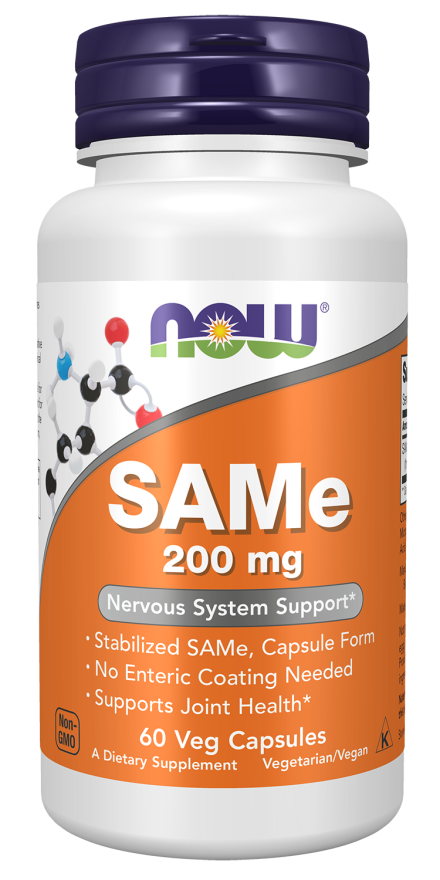
Supplementing with SAMe
Start with 200mg-400mg taken on an empty stomach in the morning. You can go up to a maximum 1200mg day. Don’t take late in the day as it can be stimulating and interfere with sleep. Not everyone will need to take the maximum dose.
The “N” Group (N for Norepinephrine)
Please note the items which apply to your present feelings:
You suffer from a lack of energy.
You often find it difficult to “get going.”
You suffer From decreased drive.
You often start projects and then don’t finish them.
You frequently feel a need to sleep or “hibernate.”
You feel depressed a good deal of the time.
You occasionally feel paranoid.
Your survival seems threatened.
You are bored a great deal of the time.
If three or more of the above apply, then read below.
The “N” Group
The neurotransmitter Norepinephrine, when released in the brain, causes feelings of arousal, energy, and drive. On the other hand, a short supply of it will cause feelings of a lack of ambition, drive, and or energy.
It can even cause depression, paranoia, and feelings of apathy. Norepinephrine is also used to initiate the “flow” of adrenaline when you are under psychological stress. People under a great load of stress, or a continual stress loading of almost any size, often find their Norepinephrine levels to be too low.
Start with 200mg-400mg taken on an empty stomach in the morning. You can go up to a maximum 1200mg day. Don’t take late in the day as it can be stimulating and interfere with sleep. Not everyone will need to take the maximum dose.
Subscribe to Super Healthy Human:
Spotify: https://ow.ly/hSla50Xk2V8
Apple: https://ow.ly/gXEJ50Xk2V9
YouTube: https://ow.ly/Fxmk50Xk2Va
Free Resources at www.yourfibrodoctor.com and www.superhealthyhuman.com
New Patient Telemedicine/Video Consults Available World Wide. Learn more at www.yourfibrodoctor.com
"I went from barely being able to get out of bed to living a full, active life again. I can't thank Dr. Murphree enough."
Judy's Story
Pennsylvania

"The brain fog, the fatigue, the pain — they're all so much better now. I feel like myself again for the first time in years."
Cindy's Story
Alabama
"My energy is back, my pain levels are manageable, and I'm living life again. Dr. Murphree's approach simply works."

Shannon's Story
"The personalized approach made all the difference. Dr. Murphree didn't just treat my symptoms — he addressed the root causes."
Sally's Story
Michigan
"Even from Canada, I was able to work with Dr. Murphree and get the help I desperately needed. His protocols work."
Heather's Story
Ontario, Canada