What You Should Know Mold Toxicity
April 3, 2021
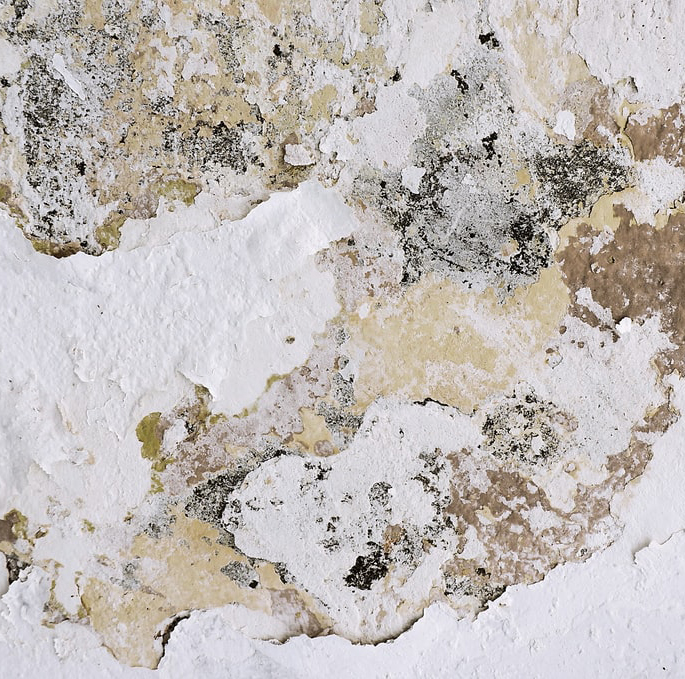 Mold is not a plant or an animal, but a type of fungi. We eat some types of fungi, like many kinds of mushrooms and the yeast we use to make bread rise. There are hundreds of different kinds of mold found both indoors and outdoors. Mold grows in damp, dimly-lit areas.
Mold can grow and thrive in any season, indoors or outdoors, in damp, warm and humid environments. Showers, attics, basements, and damp crawlspaces are common areas where you’d find toxic mold.
Mold itself flourishes in warm, moist environments, but mold spores can actually survive in harsh, dry environments. The spores float around in indoor and outdoor air. When spores land on a moist surface, they can then start to grow.
Some molds commonly found indoors include aspergillus, chaetomium, cladosporium, penicillium, and stachybotrys (sometimes referred to as black mold, although many types of mold are black in color).
Mycotoxins are the toxic secondary metabolites produced by molds such as Aspergillus, Fusarium, Penicillium, and Stachybotrys and are commonly encountered in water-damaged buildings and contaminated food.
Trichothecenes, fumonisins, ochratoxin, and aflatoxins are the most commonly-encountered harmful mycotoxins.
Mold is not a plant or an animal, but a type of fungi. We eat some types of fungi, like many kinds of mushrooms and the yeast we use to make bread rise. There are hundreds of different kinds of mold found both indoors and outdoors. Mold grows in damp, dimly-lit areas.
Mold can grow and thrive in any season, indoors or outdoors, in damp, warm and humid environments. Showers, attics, basements, and damp crawlspaces are common areas where you’d find toxic mold.
Mold itself flourishes in warm, moist environments, but mold spores can actually survive in harsh, dry environments. The spores float around in indoor and outdoor air. When spores land on a moist surface, they can then start to grow.
Some molds commonly found indoors include aspergillus, chaetomium, cladosporium, penicillium, and stachybotrys (sometimes referred to as black mold, although many types of mold are black in color).
Mycotoxins are the toxic secondary metabolites produced by molds such as Aspergillus, Fusarium, Penicillium, and Stachybotrys and are commonly encountered in water-damaged buildings and contaminated food.
Trichothecenes, fumonisins, ochratoxin, and aflatoxins are the most commonly-encountered harmful mycotoxins.
- Trichothecenes are produced by Stachybotrys and Fusarium, among other molds. They proliferate in water-damaged buildings.
- Fumonisins are produced by Fusarium, which commonly grows on corn, wheat, and other grains. Fusariumfungi are quite prevalent in temperate climate conditions.
- Ochratoxin is produced by Aspergillus and various species of Penicillium. Penicillium often grows in indoor environments on wallpaper, carpet, furniture, and fiberglass insulation. Penicillium also grows on citrus fruits and grains. The main crops contaminated with ochratoxin include grains, nuts, dried fruits, coffee, and cocoa.
- Aflatoxins are produced by Aspergillus and are thus found on a variety of foods (listed above).
 Mold exposure symptoms include:
- Fatigue and weakness
- Headaches, light sensitivity
- Poor memory, difficult word finding
- Difficulty concentration
- Morning stiffness, joint pain
- Unusual skin sensations, tingling, and numbness
- Shortness of breath, sinus congestion or a chronic cough
- Appetite swings, body temperature regulation,
- Increased urinary frequency or increased thirst
- Red eyes, blurred vision, sweats, mood swings, sharp pains
- Abdominal pain, diarrhea, bloating
- Tearing, disorientation, metallic taste in your mouth
- Static shocks
- Vertigo, feeling lightheaded
CIRS General Signs & Symptoms
Fatigue, weakness, flu-like symptoms, exhaustion, insomnia, sensitivity to environment, and possible multiple diagnoses from various doctors.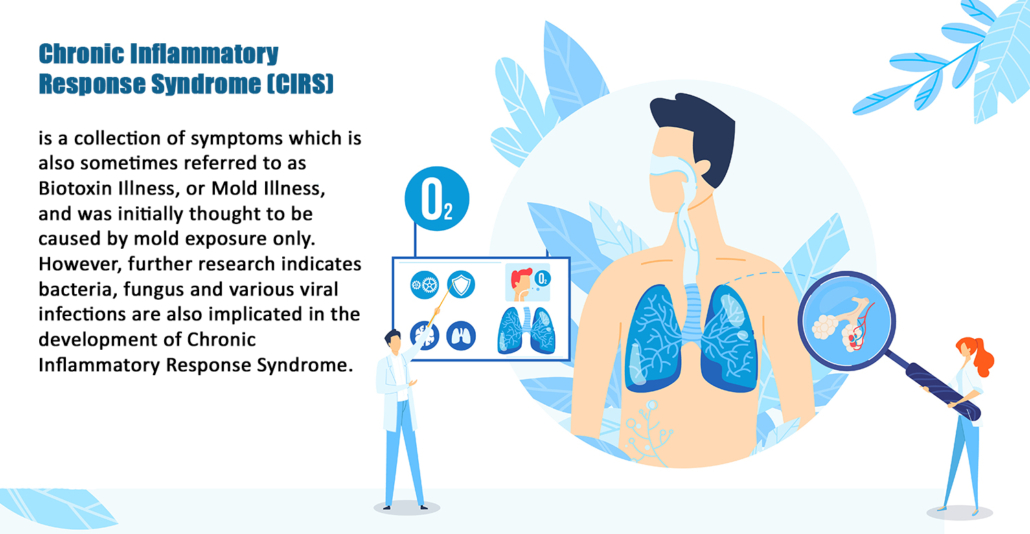 Eye/Ear/Nose/Throat Symptoms
Blurred or hazy vision, eyes sensitive to light, eyes tear easily, puffy/dark circles below the eyes, night blindness, ringing in the ears, hearing loss, dizziness, sinus/nasal congestion, nose bleeds, sensitive to odors, vocal cord polyps, nasal polyps, laryngitis or raspy voice, burning in the throat, or sore throat.
Musculoskeletal Symptoms
Joint pain, shooting pain, ice-pick sharp pain, burning pain, stabbing pain, muscle cramps, muscle aches, muscle weakness, fleeting pain/pain that moves around, tics, spastic muscles, Charlie horses, hands curl up like a claw, toes/feet curl up, morning stiffness
Lungs/Heart Symptoms
Shortness of breath and tachycardia (fast heart beat) with exercise, cough, wheezing, asthma, swelling or edema, heart palpitations, heart pounds intermittently
Digestive/Liver/Urinary Symptoms
Metallic taste in mouth, bile reflux, nausea, vomiting, diarrhea, constipation, abdominal pain, weight loss, weight gain, urinary frequency
Nervous/Endocrine/Immune Symptoms
Insomnia, headache, dizziness, mental confusion, poor concentration, poor short-term memory, forgetfulness, can’t remember names or words, poor word recall, disorientation, decreased learning ability, extreme thirst, low blood pressure, poor body temperature regulation, numbness, tingling, tremors, vertigo, Parkinson's-like symptoms, mood swings, anxiety, irritability, lack of sex drive, swollen and painful lymph nodes
Skin Symptoms
Skin is sensitive, skin is itchy, feels like bugs crawling on skin, feels like bugs stinging or biting but there is nothing there, easy bruising, Itchy pimples, skin sores, bumpy skin, thickened skin, skin peeling, burning sensations, red face, sweats - especially at night, static shocks, skin reacts to sun, even through clothing sometimes, vitiligo, cherry hemangiomas, and hives.
Extremities
Cold hands/feet, discolored hands and feet such as white and red mottling, numbness in parts of the body, e.g. foot "goes to sleep", tingling, hands shake, and clawing of fingers or toes.
Eye/Ear/Nose/Throat Symptoms
Blurred or hazy vision, eyes sensitive to light, eyes tear easily, puffy/dark circles below the eyes, night blindness, ringing in the ears, hearing loss, dizziness, sinus/nasal congestion, nose bleeds, sensitive to odors, vocal cord polyps, nasal polyps, laryngitis or raspy voice, burning in the throat, or sore throat.
Musculoskeletal Symptoms
Joint pain, shooting pain, ice-pick sharp pain, burning pain, stabbing pain, muscle cramps, muscle aches, muscle weakness, fleeting pain/pain that moves around, tics, spastic muscles, Charlie horses, hands curl up like a claw, toes/feet curl up, morning stiffness
Lungs/Heart Symptoms
Shortness of breath and tachycardia (fast heart beat) with exercise, cough, wheezing, asthma, swelling or edema, heart palpitations, heart pounds intermittently
Digestive/Liver/Urinary Symptoms
Metallic taste in mouth, bile reflux, nausea, vomiting, diarrhea, constipation, abdominal pain, weight loss, weight gain, urinary frequency
Nervous/Endocrine/Immune Symptoms
Insomnia, headache, dizziness, mental confusion, poor concentration, poor short-term memory, forgetfulness, can’t remember names or words, poor word recall, disorientation, decreased learning ability, extreme thirst, low blood pressure, poor body temperature regulation, numbness, tingling, tremors, vertigo, Parkinson's-like symptoms, mood swings, anxiety, irritability, lack of sex drive, swollen and painful lymph nodes
Skin Symptoms
Skin is sensitive, skin is itchy, feels like bugs crawling on skin, feels like bugs stinging or biting but there is nothing there, easy bruising, Itchy pimples, skin sores, bumpy skin, thickened skin, skin peeling, burning sensations, red face, sweats - especially at night, static shocks, skin reacts to sun, even through clothing sometimes, vitiligo, cherry hemangiomas, and hives.
Extremities
Cold hands/feet, discolored hands and feet such as white and red mottling, numbness in parts of the body, e.g. foot "goes to sleep", tingling, hands shake, and clawing of fingers or toes.
ERMI?
The Environmental Relative Moldiness index (ERMI) was developed by the U.S. Environmental Protection Agency, Office of Research and Development (ORD) as a research tool to investigate mold contamination in homes. The methodology is based on using mold-specific quantitative polymerase chain reaction (MSQPCR) to quantify 36 molds and calculate an index number for comparison with a database of reference homes. I recommend this ERMI test- you can order it here https://www.mycometrics.com/online.html regardless of the one you choose make sure it is reputable. If this test comes back positive or you want more advanced testing you’ll need to consult your functional medicine health care professional.