COVID-19 Prevention Tips
Archive
Over The Counter Supplements For Prevention And Treatment
N-Acetyl-Cysteine (NAC)
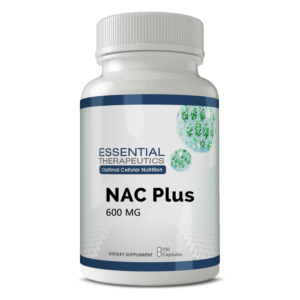 I take NAC on a daily basis to help with seasonal allergies and to prevent periodic asthma symptoms. Since the new Corona Virus has an affinity for attacking lung tissue it makes sense to give NAC a look.
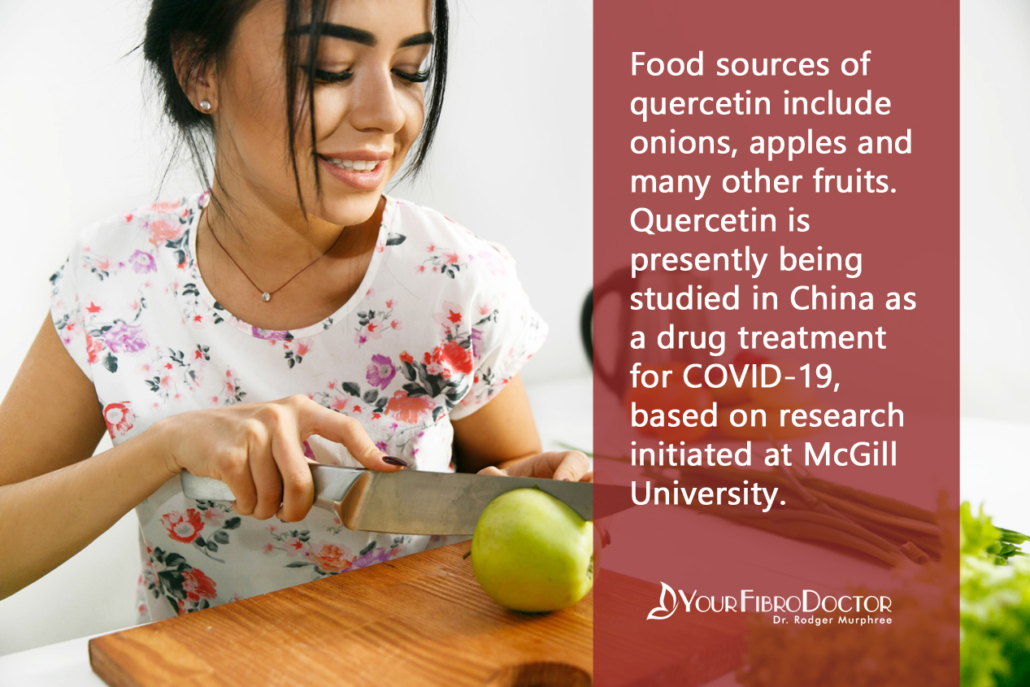
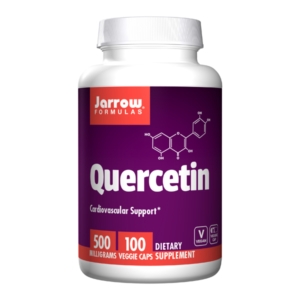
Elderberry and Quercetin
Quercetin
 Melatonin and the Coronavirus
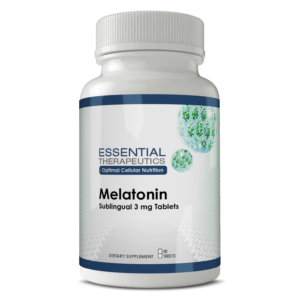
Melatonin best known for its role in circadian rhythms and is used as an over the counter popular sleep aid. Research has shown that melatonin has far more widespread applications, including boosting our immune systems.
Melatonin has been found to inhibit the action of an inflammatory chemical known as NLRP3 – one of the primary chemicals involved in the exaggerated immune response seen in critical Coronavirus cases.
Melatonin’s ability to suppress the activation of NLRP3 has been found to:
- Reduce severe inflammatory responses
- Lower production of pro-inflammatory cytokines (chemicals)
- Lower infiltration of immune cells into lungs, helping to prevent swelling
- Reduce lung tissue injury
Vitamin C and the Coronavirus
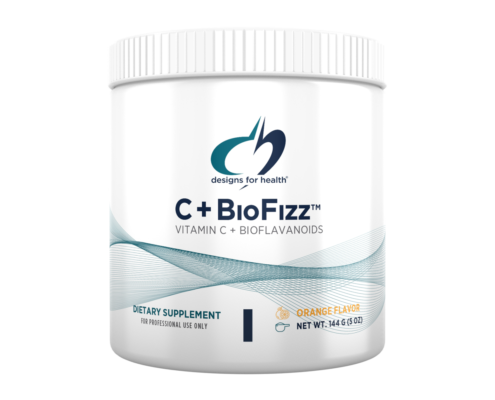 Vitamin C – Vitamin C is perhaps the number nutrient your body needs to prevent and counter the COVID-19 virus!
The Chinese government is using intravenous and high oral vitamin C to prevent and treat acute COVID-19 virus. 50 tons of vitamin C was delivered to Wuhan providence.You can read about this here https://tinyurl.com/tnxun4h
FOR IMMEDIATE RELEASE
Orthomolecular Medicine News Service, Mar 3, 2020
Shanghai Government Officially Recommends Vitamin C for COVID-19
by Andrew W. Saul (OMNS Mar 3, 2020) The government of Shanghai, China has announced its official recommendation that COVID-19 should be treated with high amounts of intravenous vitamin C. (1) Dosage recommendations vary with severity of illness, from 50 to 200 milligrams per kilogram body weight per day to as much as 200 mg/kg/day.
“Intravenous vitamin C is a safe, effective, and broad-spectrum antiviral.”
Richard Z. Cheng, MD, PhD, a Chinese-American specialist physician, has been working closely with medical and governmental authorities throughout China. He has been instrumental in facilitating at least three Chinese clinical IV vitamin C studies now underway. Dr. Cheng is presently in Shanghai continuing his efforts to encourage still more Chinese hospitals to implement vitamin C therapy incorporating high oral doses as well as C by IV.
Dr. Cheng and Dr. Yanagisawa both recommend oral vitamin C for prevention of COVID-19 infection. An official statement from Xi’an Jiaotong University Second Hospital (2) reads:
“On the afternoon of February 20, 2020, another 4 patients with severe new coronaviral pneumonia recovered from the C10 West Ward of Tongji Hospital. In the past 8 patients have been discharged from hospital. . . high-dose vitamin C achieved good results in clinical applications. We believe that for patients with severe neonatal pneumonia and critically ill patients, vitamin C treatment should be initiated as soon as possible after admission. . .early application of large doses of vitamin C can have a strong antioxidant effect, reduce inflammatory responses, and improve endothelial function. . . Numerous studies have shown that the dose of vitamin C has a lot to do with the effect of treatment. . . high-dose vitamin C can not only improve antiviral levels, but more importantly, can prevent and treat acute lung injury (ALI) and acute respiratory distress (ARDS).”
-
-
- Based on a large meta-analysis, regular intake of vitamin C has not been shown to prevent colds but it can shorten the duration of colds (by 8 % in adults and 14 % in children) with slightly less severe symptoms. Athletes who take vitamin C regularly are half as likely to catch a cold as athletes who don’t.
- A 1999 study done on 463 students showed that mega- dosing vitamin C may be helpful in treating you right after the appearance of the symptoms with hourly doses of 1000 mg of Vitamin C for the first 6 hours and then 3 times daily thereafter. Overall, it was reported that cold symptoms in the test group decreased 85 % compared with the control group after the administration of megadose Vitamin C.
- In stressed mice, mega dosing vitamin C helped to prevent from influenza and (H1N1)-induced pneumonia.
- A recent 2020 meta-analysis published on the Journal of Intensive Care showed that 1–6 g of intravenous vitamin C per day shortened the ventilation time on patients needing intensive care on average by 25 %.
-
Vitamin C is the most abundant water-soluble vitamin antioxidant in plasma and tissue, and one of the most important vitamins. Unfortunately, unlike 4,000 other species of mammals who can manufacture vitamin C, humans cannot. And we can only store about a 30-day supply. Therefore, it’s absolutely necessary to get vitamin C from our diet on a daily basis. During times of stress your body requires extra vitamin C. Low levels of vitamin C can result in impaired immunity leading to an increased risk of infection. And to make matters worse, infections require us to need more vitamin C.
This can become a vicious cycle.
Ascorbic acid is required for the maturation of and stimulation of important immune boosting white blood cells including, T lymphocytes, blood cells that help protect the body from infection.
Vitamin C helps protect the lungs from inflammation and oxidative damage.
Foods High In Vitamin C
You may be wondering: which foods are high in vitamin C? Many fruits and plants contain high doses of vitamin C, especially citrus fruits.
Among the richest sources are:
Kiwifruit: 70 mg in a medium-sized fruit
- Grapefruit: 48 mg in a medium-sized fruit
- Oranges: 70 mg in one medium fruit
- Bell peppers: 60 mg in a ½ cup of green pepper, and 95 mg in ½ cup of red pepper (also a good source of beta-carotene)
- Broccoli: 39 mg in ½ cup
- Brussels sprouts: 37 mg in ½ cup
- Apples: 11 mg in one fruit
- Bananas: 10 mg in one medium banana
I recommend you begin now and take an extra 3-4 grams of vitamin C each day. At the first sign of infection increase your dose adding additional vitamin C 2-3 grams every few hors until you have a loose bowel movement. Then reduce your dose to bowel tolerance.
I recommend you begin now and take an extra 3-4 grams of vitamin c each day. At the first sign of infection increase your dose adding additional vitamin C 2-3 grams every few hours until you have a loose bowel movement. Then reduce your dose to bowel tolerance.
-
Probiotics – Probiotics are essential for a strong immune system.
This may be due to the role of microbes in our natural defense mechanisms. Humans have a built-in security system called SIgA (secretory immunoglobulin A), which is present in mucosal membranes that line, for example, the nose and upper respiratory tract as well as the gut. SIgA helps prevent cold and u viruses from entering the system. Based on experimental studies, probiotics may provide antiviral effects with two mechanisms: directly in probiotic-virus interaction or via stimulation of the immune system.
Older adults especially benefit from a long-term use of an oral blend of probiotics including Lactobacillus plantarum, Lactobacillus rhamnosus and Bifidobacterium lactis, which enhance secretory immunity and increase IgA antibodies and help reduce the risk of respiratory infections.
I recommend you begin taking a probiotic on a daily basis. Start now to help prevent a viral infection.
-
VITAMIN D – Vitamin D is central to the body’s immune system.
 Low levels of vitamin D are associated with increased risk and prevalence for infections in multiple studies.28 In one study among 19 000 subjects, people with lower vitamin D levels were more likely to suffer from upper respiratory tract infections.29 A 2012 study found that giving young children 1 200 IU of vitamin D a day reduced the risk of influenza.
Several systematic reviews of daily vitamin D supplementation have shown it to be protective against respiratory tract infections (RTIs). If you’re already taking vitamin D3 THERE IS NO NEED TO INCREASE YOUR DOSE. If you’re not taking vitamin D3 start now and take 5,000iu a day.
-
ZINC – Use at this first sign of infection! Keep on hand to make sure it is available!
Zinc acetate and zinc gluconate lozenges have been shown to inhibit cold viruses from latching onto the cells and shorten the duration of the u. Lozenges are beneficial only in the early stages of infection. The optimal dose according to studies is 75–90 mg per day divided into multiple doses given 2–3 hours apart. Best results are gained when started within 24 hours of symptoms.52 Do not exceed 100 mg of zinc per day for up to two weeks. Avoid nasal sprays, as they might cause a lingering loss of smell Perception.
Regular use of zinc may reduce the incidences of flu, especially in children. According to studies in children, regular use of zinc can prevent the flu.
Immunitone Plus – OUT OF STOCK
 Immunitone Plus is a comprehensive herbal formula that is designed to boost and support healthy immune system function.
The Immunitone Plus contains the following herbs and extracts.
Echinacea (Purple coneflower) Echinacea is one of the most popular herbal medicines in the United States and Europe. In 1994, German physicians prescribed Echinacea more than 2.5 million times. There are over 200 journal articles written about Echinacea. This herb is from the sunflower family and can be seen in many perennial gardens across the United States. Echinacea is thought to stimulate the immune system by increasing the production of and activity of white blood cells, especially natural killer cells (NK cells).
Today, people use echinacea to shorten the duration of the common cold and flu, and reduce symptoms, such as sore throat (pharyngitis), cough, and fever. Doctors and herbalists also recommend echinacea to help boost the immune system and help the body fight infections.
A review of 14 clinical trials found that echinacea reduced the odds of developing a cold by 58% and the duration of a cold by 1 to 4 days.
Numerous clinical trials have been carried out on echinacea preparations: it appears that the extracts shorten the duration and severity of colds and other upper respiratory infections (URIs) when given as soon as symptoms become evident.
Elderberries, dark pigmented berries, have polyphenols and antioxidants that strengthen the immune system by modulating the gut microbiota. Researchers performing in vitro studies have found that elderberry extract is active against human pathogenic bacteria as well as influenza viruses (H1N1). In separate clinical trials in humans, investigators demonstrated that liquid elderberry extract and elderberry extract lozenges each reduced the severity and duration of cold and flu-like symptoms.
Elderberry’s anti-flu effects can be attributed to a couple of primary pathways that work in tandem. One mechanism is a complex process by which the flavonoids bind to proteins on the outside of the virus and prevent its attachment and entry into host cells, thus inhibiting the ability of the virus to replicate and spread. The second is that elderberry is believed to assist in activating the healthy immune system by boosting the production of cytokines, which are essentially messengers that help regulate the body’s immune response to disease. In essence, elderberry targets the virus itself while simultaneously boosting the natural defense mechanisms of the body.
The results of numerous scientific studies appear to support the remarkable antiviral properties of elderberry. One study in particular, published 2004 in The Journal of International Medical Research, has attracted the attention of many in the conventional medical community. This randomized, double-blind study was conducted by a medical school in Israel on sixty patients between the ages of 18 and 54 who were identified in the early stages of influenza infection (within 48 hours of symptom onset). The active treatment group received 15 ml (1 tablespoonful) of elderberry syrup four times daily for 5 days, versus a placebo group which received a syrup identical in every way minus the elderberry extract. The efficacy of the treatment was evaluated by overall wellness as well as specific symptom assessment. The symptoms assessed included: aches and pains, frequency and degree of coughing, mucus discharge, nasal congestion, and quality of sleep.
The results were significant. The elderberry group achieved a designation of “pronounced improvement” after 3 to 4 days while the placebo group only reached this level after 7 to 8 days. Both groups of patients were fully recovered from symptoms after eight days. In their concluding discussion, the study authors claim that the duration of influenza can be reduced by 3 or 4 days via use of elderberry syrup.
Astragalus has been used in Chinese medicine for thou- sands of years. Research shows it protects against gastrointestinal inflammation and has immune system boosting properties. In one study, an herbal tincture of astragalus, echinacea and glycyrrhiza stimulated immune cells within 24 hours of ingestion and remained active for at least 7 days. Test tube studies have shown that Astragalus membranaceus extract activates immune response in macrophages (a pathogen destroying cell in the immune system).
Studies have shown that astragalus has natural antiviral properties and stimulates the immune system, suggesting that it may help prevent colds and similar viral infections. In addition to being one of the best antiviral herbs, astragalus is an adaptogen, an herb that increases the body’s endurance and resistance to a range of biological, chemical, and physical stressors.
As one of the best natural antiviral supplements, astragalus is often used to treat symptoms of acquired immune deficiency syndrome (AIDS), allergies, anemia, colds, fibromyalgia, flu, human immunodeficiency virus (HIV), and upper respiratory infections, and to strengthen and regulate the immune system
Andrographis (Andrographis paniculata) is an herb long used in traditional Chinese medicine and ayurveda. Also known as “Indian echinacea. Studies show that Andrographis limits the spread of the virus by inhibiting the viral replication processes.
In another study, Andrographis significantly decreases the symptoms of the common cold (is a type of coronavirus) and shortened sick leave time.
And yet again in another randomised placebo-controlled double-blind study, after 3 months of taking Andrographis, there was a significant reduction in colds when compared to the placebo group.
(Larch Tree (Arabinogalactan) – Experimental studies have indicated larch arabinogalactan can stimulate natural killer (NK) cell cytotoxicity, enhance other functional aspects of the immune system, and inhibit the metastasis of tumor cells to the liver. Larch arabinogalactan has been used for centuries in Native American cultures as a means to defend against the common cold. The claims have been evaluated in a number of studies, including a placebo-controlled trial published in Current Medical Reseach and Opinion.
The study was conducted during the cold season of 2010/2011 with 199 healthy volunteers who had reported at least three upper respiratory tract infections in the previous year. After 12 weeks, the researchers reported that the group given arabinogalactan had 23% fewer colds than those given a placebo. On the flip side, those in the arabinogalactan group who experienced cold reported far worse symptoms.
Cordyceps Mushroom (Cordyceps sinensis) – Cordyceps get harvested in certain mountainous regions of the world especially in the Himalyan areas of China.
A number of studies into the effects of cordyceps have found they have a positive effect on the immune system. They can help boost immune health and may even help to fight cancer because they possess certain polysaccharides and cyclosporines which help to lower inflammation. Cordyceps can also help to treat and ease the symptoms of many respiratory complaints including coughs, bronchitis, and asthma. Supplementing with cordyceps helps improve circulation meaning the level of oxygen that reaches the lungs improves.
- Shiitake Mushroom (Lentinula edodes) – Shiitake are edible mushrooms native to East Asia. Around 83% of shiitake are grown in Japan, although the United States, Canada, Singapore, and China also produce them. Research, including a paper by the University of Florida, published in the Journal of American College of Nutrition, reports that shiitake mushrooms help boost the immune function.
Consuming even small amounts of these mushrooms has been shown to cause a reduction in inflammatory molecules in the bloodstream.
Maitake Mushroom (Grifola frondosa) – Maitake mushrooms (Grifola Frondosa) are found wild in China, Japan, and parts of North America.
Maitake is considered a medicinal mushroom and is classified as an adaptogen. An adaptogen helps the body resist all forms of stress, either mental or physical and has a normalizing function on the body.
Because of their immunity-optimizing and anti-inflammatory properties, maitake extracts have been studied for potential benefits in regards to a wide range of conditions. It has also been explored as an aid in treatment for septic shock, asthma, and autoimmune joint inflammation.
It is thought to be the most powerful mushroom as far as strengthening the immune system. The glucans and polysaccharides in it stimulate the immune system by increasing the activity of the T-helper cells.
Maitake also has very strong antiviral properties and has been shown to kill HIV virus in lab experiments. It has also been used to treat hepatitis and chronic fatigue syndrome.
- Reishi Mushroom (Ganoderma lucidum) – are native to several parts of Asia, including China, Korea and Japan. One of the most important side effects of reishi mushroom extracts is their anti-inflammatory capacity.
Recent findings suggest that reishi mushrooms can lower inflammation and increase the release of natural killer cells, helping to fight off any pathogens.
Lauric Acid – is a powerful substance that’s sometimes extracted from the coconut for use in developing monolaurin. Monolaurin is an antimicrobial agent that’s able to fight pathogens such as bacteria, viruses, and yeasts.
Beta 1, 3 Glucan (Saccharomyces cerevisiae) – boosts immune function and increases pathogen attacking natural killer cells.
Green Tea Extract (Camellia sinensis) – helps increase natural killer cells and boost the immune system.
P.S. I recommend you start taking vitamin C, vitamin D3, the Immunitone Plus, and a good probiotic to boost your immune system and help prevent viral infections. At the first sign of infection begin taking zinc as recommended above.
I suggest you stock up on extra supplies mentioned above, especially disinfectants and anti viral supplements.